
What's Happening?
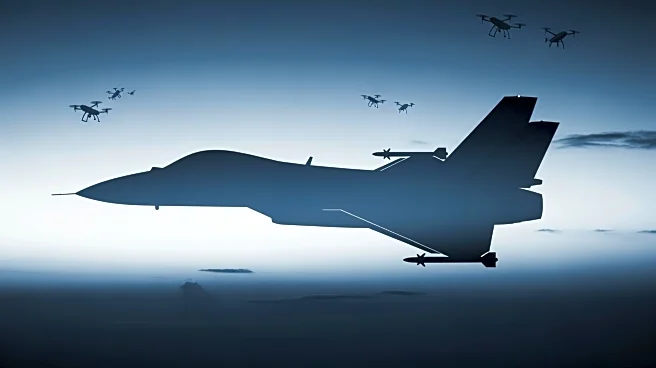
Russia has launched a significant attack on Ukraine's energy infrastructure using over 450 drones and 30 missiles. The strikes, which occurred from Friday night into Saturday morning, targeted multiple
regions including Odesa, Mykolaiv, and Chernihiv. Ukrainian President Volodymyr Zelenskyy reported that the attacks damaged more than a dozen facilities, leaving thousands without electricity. The Ukrainian Ministry of Energy confirmed that the strikes focused on electricity generation, distribution, and transmission facilities. In the Odesa region, two people were injured, and in Mykolaiv, five people were injured, with critical infrastructure forced to operate on generators. The attack also disrupted public transportation in Odesa, halting tram and trolleybus services.
Why It's Important?
The attack underscores the ongoing conflict's impact on Ukraine's civilian infrastructure, particularly its energy sector. The disruption of electricity affects not only residential areas but also critical services and industries, potentially leading to broader economic and social challenges. The use of drones and missiles highlights the evolving nature of warfare and the strategic targeting of infrastructure to weaken an opponent's resilience. This development could further strain international relations and prompt additional support for Ukraine from its allies, as energy security becomes a focal point in the conflict.
What's Next?
Ukraine is likely to continue efforts to restore power and repair damaged infrastructure, with international assistance potentially playing a role in these efforts. The attacks may prompt further diplomatic and military responses from Ukraine and its allies, potentially escalating tensions. Monitoring the situation for additional strikes or retaliatory actions will be crucial, as will assessing the long-term impacts on Ukraine's energy sector and overall stability.
Beyond the Headlines
The repeated targeting of energy infrastructure raises ethical and legal questions about the conduct of warfare and the protection of civilian resources. It also highlights the vulnerability of critical infrastructure in conflict zones and the need for enhanced protective measures. The situation may lead to increased international discourse on the rules of engagement and the protection of civilian infrastructure in war.