
What's Happening?
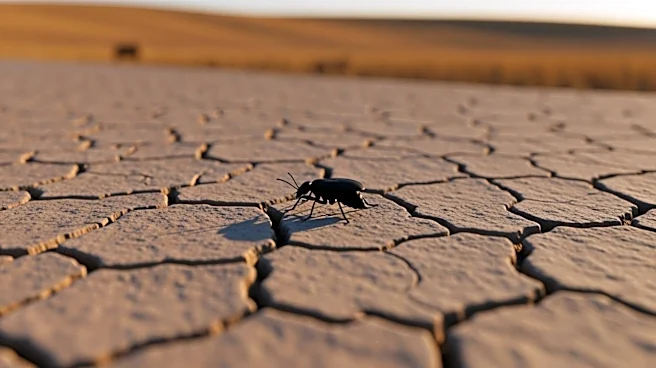
A second case of the flesh-eating screwworm fly has been confirmed in Texas, according to the US Department of Agriculture (USDA). This follows an initial case in a one-year-old calf, prompting aggressive
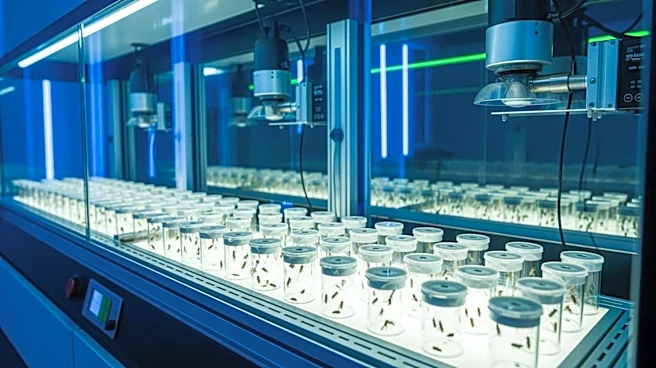
measures to control the parasite's spread in the state. Texas Governor Greg Abbott announced collaboration with federal authorities to mitigate the spread of the fly, which affects warm-blooded animals and humans. The Texas Animal Health Commission (TAHC) is dispersing sterile screwworm flies to prevent reproduction. This is the first detection of the new world screwworm (NWS) in the US since the 1960s. The USDA assures that the US food supply remains safe, as NWS do not infest food sources. Canada has temporarily banned livestock from Texas, citing the infections, although Canadian officials believe the colder climate will prevent NWS from becoming a problem there.
Why It's Important?
The resurgence of the screwworm fly in Texas poses a significant threat to the US cattle industry, which is already facing challenges. The parasite can lead to animal deaths and increased costs for treatment and labor. The US beef industry, valued at $100 billion, has already contracted due to the closure of the US-Mexico border to live cattle imports. The temporary livestock ban by Canada further complicates the situation, potentially affecting trade and economic stability in the region. The situation underscores the importance of biosecurity measures and the need for effective pest control strategies to protect the livestock industry.
What's Next?
Texas officials, in collaboration with federal agencies, are expected to continue their efforts to control the screwworm outbreak. This includes the release of sterile flies, enhanced surveillance, and movement restrictions. Governor Abbott has issued a statewide disaster declaration, indicating that the state is preparing for a challenging summer. The TAHC is urging animal owners to remain vigilant and report any signs of infection. The situation will likely require ongoing monitoring and intervention to prevent further spread and mitigate economic impacts.