






What's Happening?
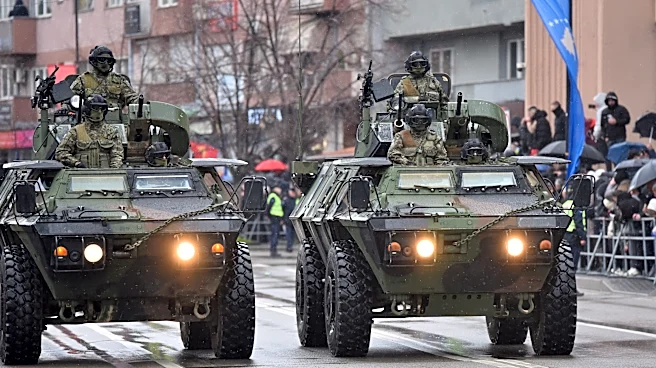
The United States has informed its European allies that deliveries of arms under the Foreign Military Sales (FMS) program may face delays due to the reallocation of U.S. stockpiles to support military operations in the Middle East. This development comes
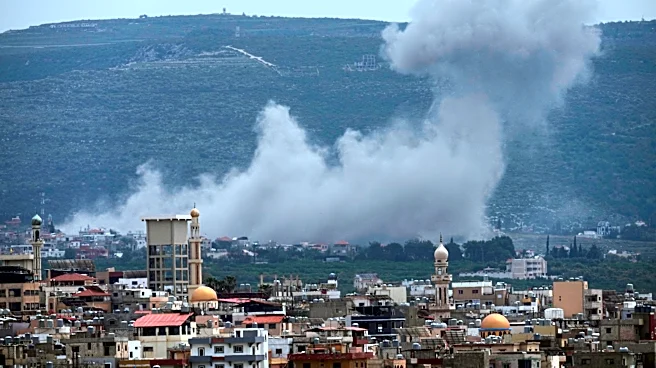
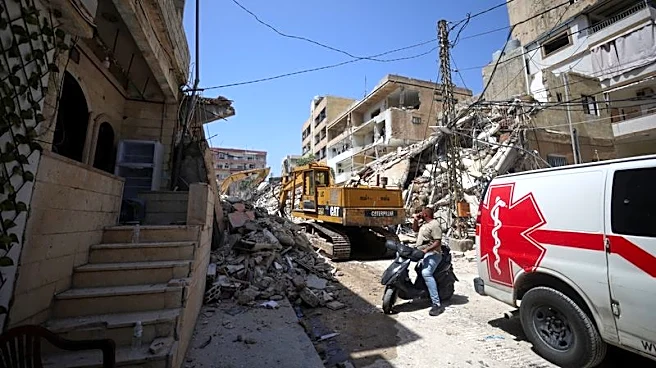
as the U.S. and Israel engage in a campaign against Iran, which began on February 28. The conflict has significantly depleted U.S. munitions, affecting the ability to fulfill existing contracts with European countries, particularly those in the Baltic and Scandinavian regions. The specific countries impacted by these delays have not been disclosed, but the situation underscores the strain on U.S. resources as it balances commitments in Europe and the Middle East. The FMS program allows countries to purchase U.S.-made weapons with logistical support, and delays in these deliveries have led to growing concerns among European officials about their defense capabilities.
Why It's Important?
The delay in arms deliveries to Europe highlights the broader implications of the U.S.'s military engagements in the Middle East on its NATO commitments. European countries, especially those bordering Russia, may find themselves in a vulnerable position due to the postponed shipments. This situation could lead to increased pressure on European nations to seek alternative sources for military equipment, potentially boosting the European defense industry. Additionally, the delays may strain transatlantic relations, as European allies may perceive a lack of support from the U.S. in their defense needs. The situation also reflects the ongoing challenge of balancing U.S. foreign policy priorities between supporting allies in Europe and addressing conflicts in other regions.
What's Next?
As the U.S. continues its military operations in the Middle East, European countries may need to reassess their defense strategies and consider diversifying their sources of military equipment. This could involve increased investment in European-made weapons or exploring new defense partnerships. The U.S. may also face diplomatic challenges in reassuring its European allies of its commitment to their security. In the long term, the situation could prompt a reevaluation of the FMS program and its ability to meet the needs of U.S. allies during times of multiple international conflicts.