






What's Happening?
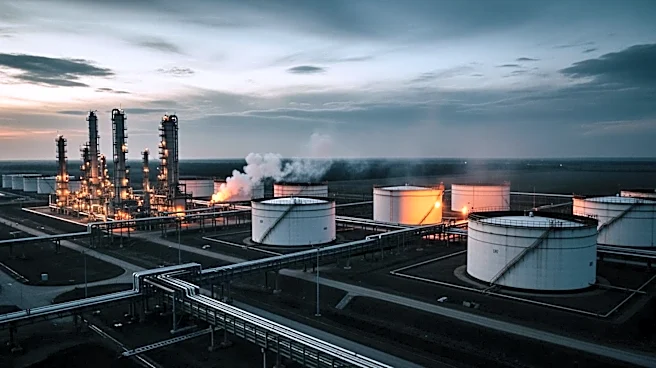
Ukrainian President Volodymyr Zelensky has proposed a pause in attacks on energy infrastructure during the Orthodox Easter holiday, as Russia's invasion continues into its fifth year. The proposal, conveyed through the United States, aims to halt strikes
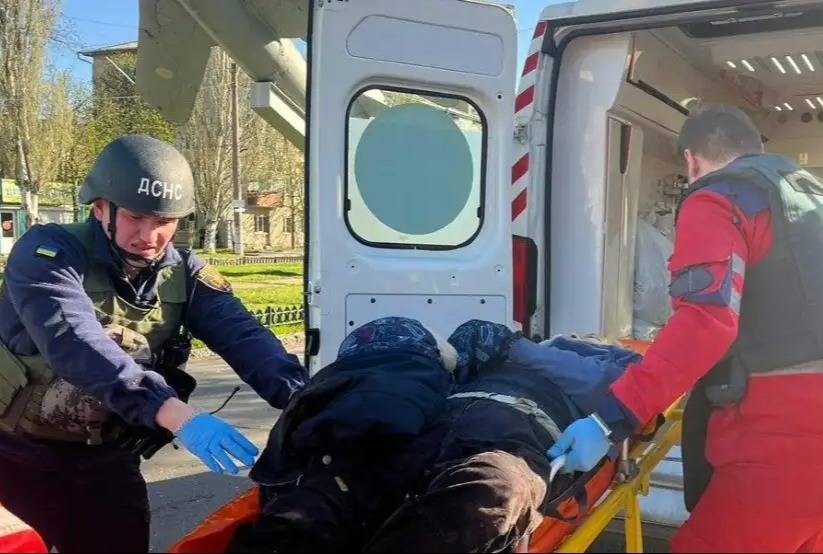
on each other's energy infrastructure. However, there has been no immediate response from Moscow. Meanwhile, Russian drone strikes have targeted civilian infrastructure in Ukraine, including a bus in Nikopol, killing four civilians. The ongoing conflict has resulted in significant civilian casualties and damage to Ukraine's power grid.
Why It's Important?
The proposed ceasefire by President Zelensky highlights the ongoing humanitarian crisis in Ukraine and the need for a diplomatic resolution to the conflict. The continued attacks on civilian infrastructure by Russia underscore the challenges faced by Ukraine in maintaining its energy supply and protecting its citizens. The proposal for a ceasefire during the Easter holiday reflects an effort to de-escalate tensions and provide relief to civilians affected by the conflict. However, the lack of response from Moscow and the ongoing military operations suggest that a resolution may not be imminent.
What's Next?
The international community will be closely watching for any response from Russia to the proposed ceasefire. The ongoing conflict in Ukraine remains a significant concern for global security, with potential implications for international relations and economic stability. The situation in Ukraine is further complicated by the broader geopolitical tensions involving Russia, the United States, and other global powers. The outcome of the proposed ceasefire and the ongoing military operations will be critical in determining the future trajectory of the conflict.