







What's Happening?
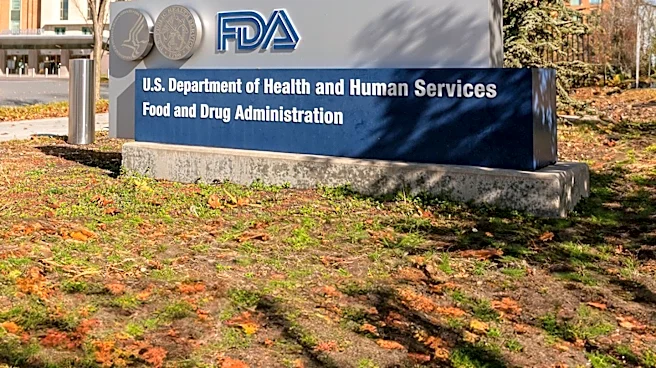
Two medications, sertraline and paroxetine, both selective serotonin reuptake inhibitors (SSRIs), are currently FDA-approved for the treatment of Post-Traumatic Stress Disorder (PTSD). These medications are part of a broader approach to PTSD care, which
often includes trauma-focused psychotherapy like EMDR, CBT, and trauma-focused CBT. Beyond these established treatments, newer options are being explored and utilized. Prism™ neurofeedback, an FDA-cleared add-on treatment, helps patients regulate brain activity associated with PTSD symptoms without requiring them to retell traumatic experiences. Additionally, IV ketamine and ketamine-assisted psychotherapy (KAP) are used off-label for PTSD cases that have not responded to standard care, with some patients reporting rapid relief from symptoms like flashbacks and hypervigilance. However, the evidence for ketamine's efficacy in PTSD is still limited, and it is not FDA-approved for this condition. The comprehensive treatment landscape for PTSD aims to address the multifaceted nature of the disorder, offering various pathways for symptom reduction and improved quality of life.
Why It's Important?
The availability of FDA-approved medications like sertraline and paroxetine provides a foundational pharmacological approach to managing PTSD symptoms, offering relief for many individuals. The emergence of treatments like Prism™ neurofeedback is significant because it offers an alternative for patients who find exposure-based therapies difficult or re-traumatizing, broadening access to effective care. The off-label use of IV ketamine for treatment-resistant PTSD highlights a critical need for options when standard treatments fail, offering hope for those with severe and persistent symptoms. This evolving treatment landscape underscores the ongoing efforts to improve mental health outcomes for individuals affected by trauma. For veterans and first responders, who experience higher rates of PTSD, these advancements are particularly crucial, as they can lead to more effective interventions and better long-term recovery, ultimately reducing the societal and personal burden of PTSD.
What's Next?
Future developments in PTSD treatment are likely to focus on further research into emerging therapies and personalized treatment approaches. Continued studies on the efficacy and safety of off-label treatments like ketamine for PTSD are anticipated, potentially leading to more widespread acceptance or even FDA approval if robust evidence emerges. The integration of technology, such as advanced neurofeedback systems, is also expected to expand, offering non-pharmacological options that can be tailored to individual patient needs. Additionally, there will likely be an increased emphasis on combining different therapeutic modalities—medication, psychotherapy, and novel interventions—to create more comprehensive and effective treatment plans. This holistic approach aims to address the diverse manifestations of PTSD and improve long-term outcomes for patients, potentially leading to a reduction in the chronic impact of trauma on individuals and communities.
Beyond the Headlines
The discussion around PTSD treatments extends beyond immediate symptom relief to broader implications for mental healthcare policy and access. The reliance on off-label uses for certain treatments, while offering hope, also raises questions about insurance coverage and equitable access, as these therapies may not be universally covered. This highlights a potential disparity in care, where those with financial means might access cutting-edge treatments more readily. Furthermore, the development of non-pharmacological interventions like neurofeedback points to a growing recognition of the brain's plasticity and the potential for self-regulation in managing mental health conditions, shifting the paradigm from purely chemical interventions. This evolution in treatment options also underscores the ongoing societal challenge of destigmatizing mental health conditions, encouraging more individuals to seek help and fostering an environment where innovative, evidence-based treatments are both accessible and affordable.