




What's Happening?
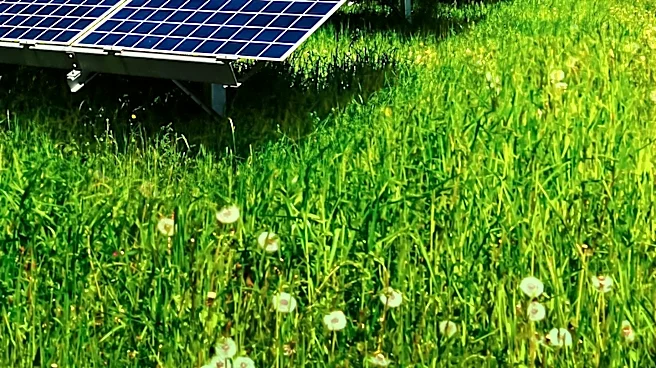
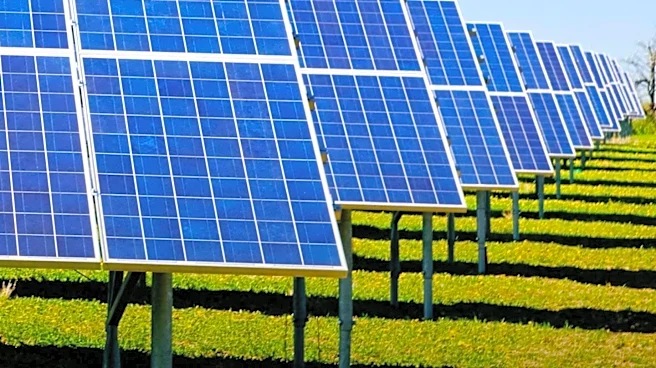
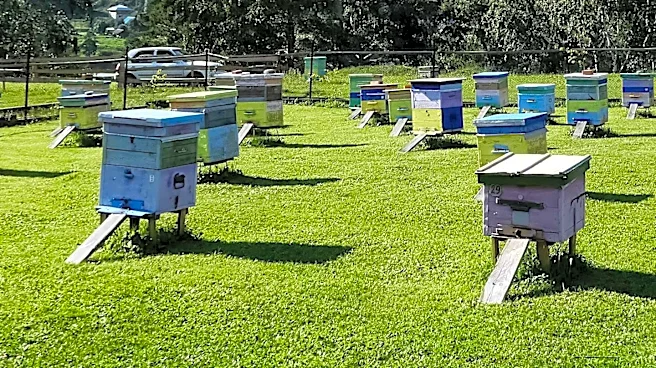
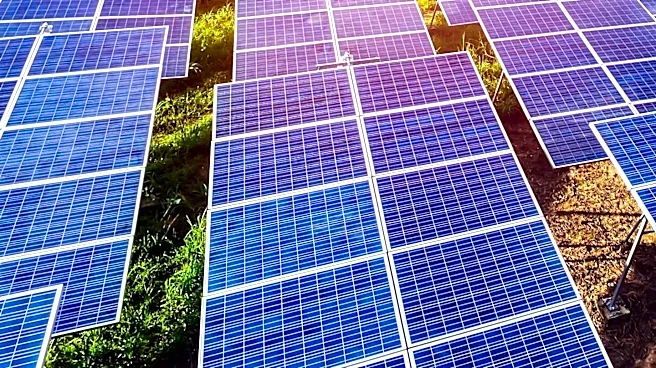
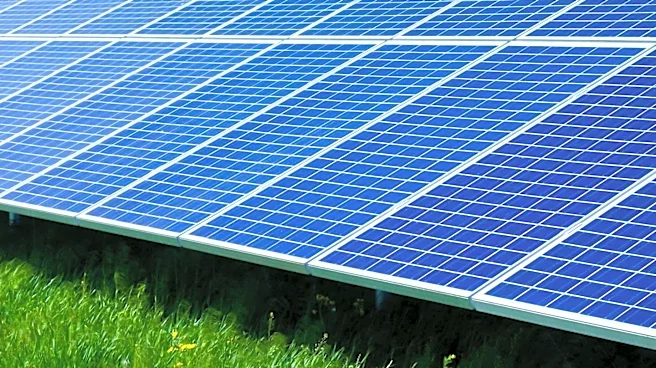
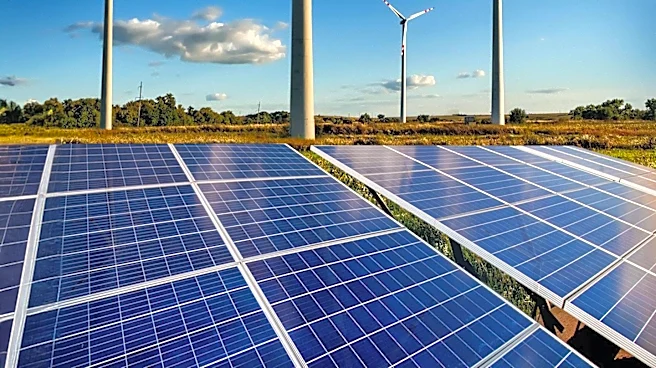
A case study on agrivoltaic sites in the United States highlights the integration of AI and beekeeping to monitor biodiversity. These sites, which combine solar energy production with agricultural activities, are being used to gather ecological data through
AI-powered image analysis and community-driven data collection. Beekeepers at these sites use platforms like HiveTracks to collect data on plant diversity, pollinator activity, and habitat conditions. This approach not only supports biodiversity but also provides additional value through honey production and biodiversity credits. The study emphasizes the importance of reliable ecological data to optimize land use and improve habitat function without compromising green energy production.
Why It's Important?
The integration of agrivoltaics and AI in biodiversity monitoring represents a significant advancement in sustainable land management. By providing a dual benefit of energy production and ecological enhancement, these sites offer a model for balancing environmental and economic goals. The data collected can inform better land management practices, potentially leading to increased biodiversity and improved ecosystem health. This approach also aligns with growing regulatory and consumer demands for sustainable practices, positioning agrivoltaic sites as valuable assets in the transition to renewable energy. The success of these projects could encourage wider adoption of similar practices, contributing to broader environmental and economic benefits.