
What's Happening?
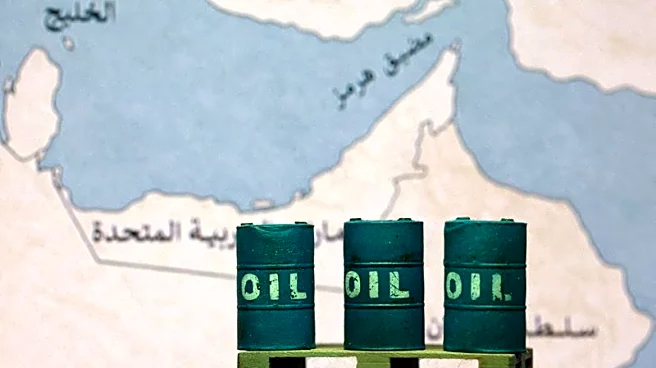
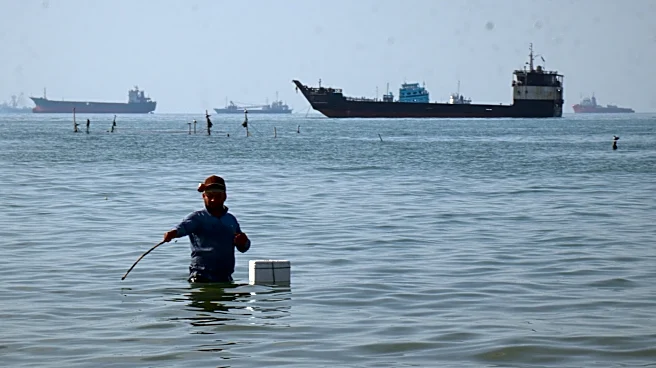
The ongoing conflict involving Iran has led to significant disruptions in the global airline industry, primarily due to the blockade of the Strait of Hormuz, a critical passage for oil and gas tankers.
This blockade has caused jet fuel prices to more than double, with European airlines experiencing a sharp increase from approximately €68.27 ($80) per barrel in February to €153.84 ($180) by the end of April. The International Energy Agency has warned of an impending jet fuel shortage in Europe, which consumes about 1.6 million barrels daily. Airlines such as Air France-KLM and Lufthansa have responded by imposing surcharges and reducing flights, respectively, to manage costs. The situation has led to a 24% increase in airfare over the past year, as reported by Teneo, an advisory firm.
Why It's Important?
The rise in jet fuel prices and potential shortages pose a significant threat to the airline industry, which could lead to increased operational costs and financial instability for airlines. This situation is particularly concerning for smaller airlines that may face bankruptcy if unable to manage the heightened expenses. The impact extends to travelers, who are likely to encounter higher ticket prices and reduced flight availability. The broader economic implications include potential disruptions in tourism and business travel, which could affect economic growth in regions heavily reliant on these sectors. Additionally, the situation underscores the vulnerability of global supply chains to geopolitical tensions, highlighting the need for diversified energy sources and strategic reserves.
What's Next?
In response to the crisis, Airlines for Europe (A4E) has urged the European Union to implement measures such as relaxing anti-tankering legislation and suspending the Emissions Trading System to alleviate the financial burden on airlines. The European Commission has launched the AccelerateEU plan to monitor jet fuel stocks and coordinate supplies across the bloc. However, the effectiveness of these measures will depend on the duration of the conflict and the ability to secure alternative fuel sources. The situation remains fluid, with potential for further escalation or resolution impacting future developments.
Beyond the Headlines
The current crisis highlights the interconnectedness of global energy markets and the potential for geopolitical conflicts to disrupt essential services. It raises questions about the sustainability of current energy practices and the need for investment in alternative energy sources to reduce dependency on volatile regions. The situation also emphasizes the importance of international cooperation in managing global supply chain disruptions and ensuring economic stability.