



What's Happening?
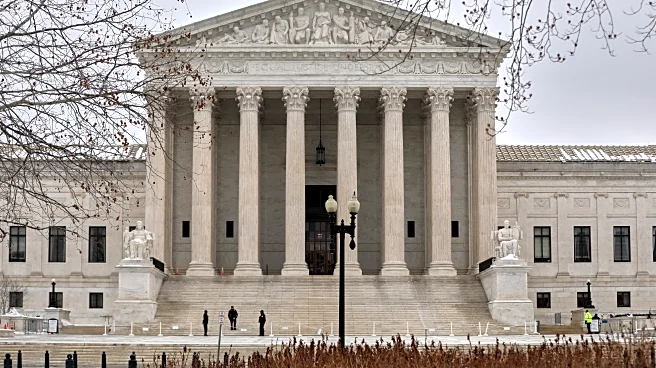
The U.S. Supreme Court's conservative majority has allowed California schools to inform parents if their children identify as transgender, without the students' consent. This decision temporarily blocks a state law that aimed to protect student privacy
by preventing schools from automatically notifying parents about changes in their children's gender identity. The court's liberal justices dissented, arguing that the case is still under review in lower courts and that the Supreme Court's intervention was premature.
Why It's Important?
This ruling has significant implications for student privacy rights and parental involvement in education. It highlights the ongoing debate over the balance between protecting students' privacy and respecting parental rights. The decision could influence similar policies across the U.S., affecting how schools handle sensitive information about students' gender identity. It also raises questions about the role of the judiciary in intervening in state policies and the potential impact on the rights of transgender students.
What's Next?
The case will continue to be litigated in lower courts, and the Supreme Court's decision may set a precedent for future cases involving student privacy and parental rights. Stakeholders, including LGBTQ+ advocacy groups, parents, and educators, will likely engage in further legal and policy discussions. The outcome could lead to changes in state laws and school policies nationwide.