


What's Happening?
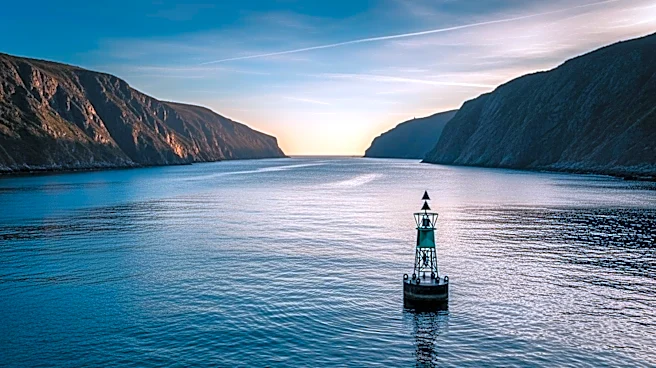
Three days into a ceasefire between the U.S. and Iran, the focus of negotiations has shifted to the reopening of the Strait of Hormuz for 'complete, immediate, and safe' operations, as demanded by President Trump. Despite the ceasefire, the number of ships
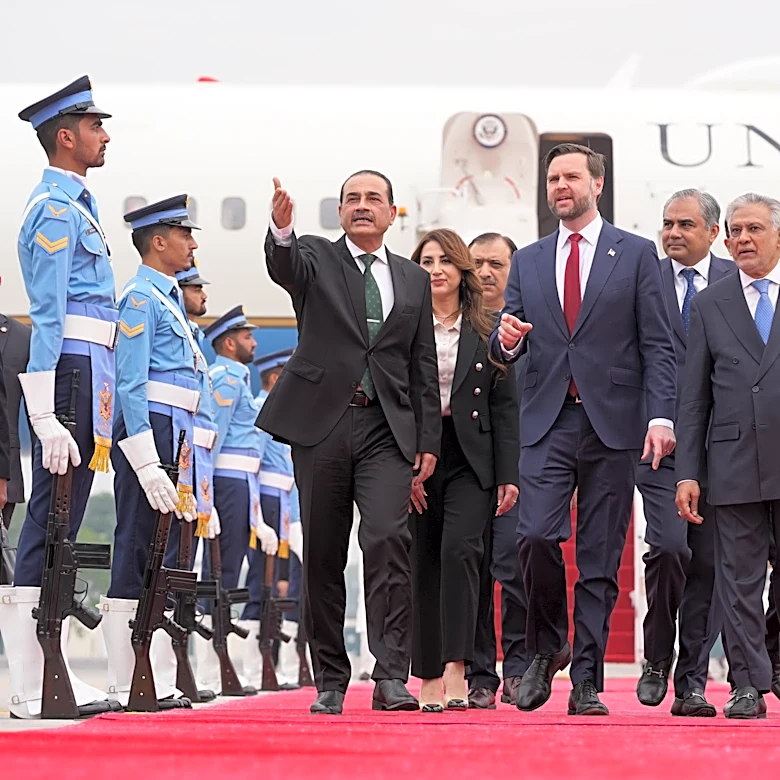
transiting the strait remains significantly low, with reports indicating fewer than 10 vessels in the last 24 hours. This is a stark contrast to the 100 to 120 vessels that typically passed through daily before hostilities began. President Trump has criticized Iran's handling of the situation, labeling their efforts as 'dishonorable' and expressing dissatisfaction with the current transit conditions. The U.S. and Iran are set to begin talks in Pakistan, with the reopening of the strait expected to be a central issue.
Why It's Important?
The Strait of Hormuz is a critical chokepoint for global oil shipments, and its closure or restricted access can have significant implications for international oil markets and global energy security. The ongoing negotiations and the potential reopening of the strait are crucial for stabilizing oil prices and ensuring the steady flow of oil. The U.S. economy, heavily reliant on oil imports, could face increased energy costs if the strait remains closed. Additionally, the situation has broader geopolitical implications, affecting U.S. relations with Middle Eastern countries and potentially influencing global diplomatic dynamics.
What's Next?
As negotiations proceed, the U.S. is expected to push for Iran to fully reopen the Strait of Hormuz. However, the process may take time, with estimates suggesting it could be two months before oil flow returns to normal levels. The Trump administration has indicated that it has backup plans in place should negotiations falter. Meanwhile, discussions between President Trump and UK Prime Minister Keir Starmer, as well as meetings with Bahrain and the UAE, suggest that international efforts are underway to address the situation. The outcome of these talks will be closely watched by global markets and political leaders.