







What's Happening?
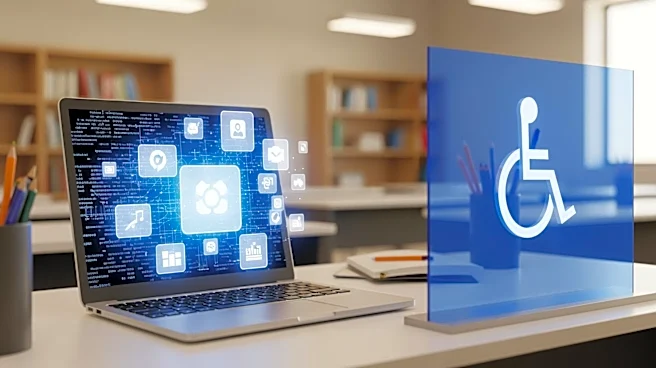
Section 504 of the Rehabilitation Act of 1973, which protects students with disabilities, is struggling to keep pace with the digital transformation of classrooms. Originally designed for traditional learning environments, the law does not fully address
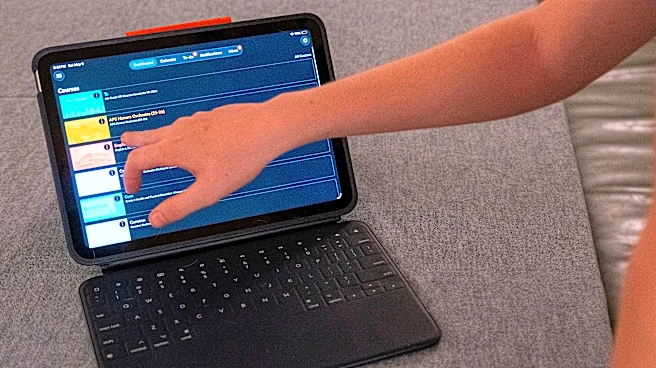
the use of digital tools like tablets, laptops, and learning management systems. These tools are now essential for accommodating students with disabilities, providing features such as text-to-speech, captioning, and digital organizers. However, the lack of updated federal guidance creates inconsistencies in how these tools are implemented across schools, affecting students' access to necessary accommodations.
Why It's Important?
The gap between Section 504's provisions and modern educational practices highlights the need for updated policies that reflect current classroom realities. As digital tools become integral to learning, ensuring they are accessible to all students is crucial for educational equity. Without clear guidelines, schools may struggle to provide consistent support, potentially disadvantaging students with disabilities. Updating Section 504 to include digital accommodations would strengthen its mission and ensure that all students have the opportunity to succeed in today's technology-driven educational landscape.
What's Next?
Policymakers may need to establish clear digital accessibility standards for educational technology, recognizing assistive technology as standard accommodations. This could involve setting baseline requirements for digital platforms and ensuring that accessibility protections extend to virtual and hybrid learning environments. Such updates would align Section 504 with modern educational practices, providing a more inclusive learning environment for students with disabilities.