






What's Happening?
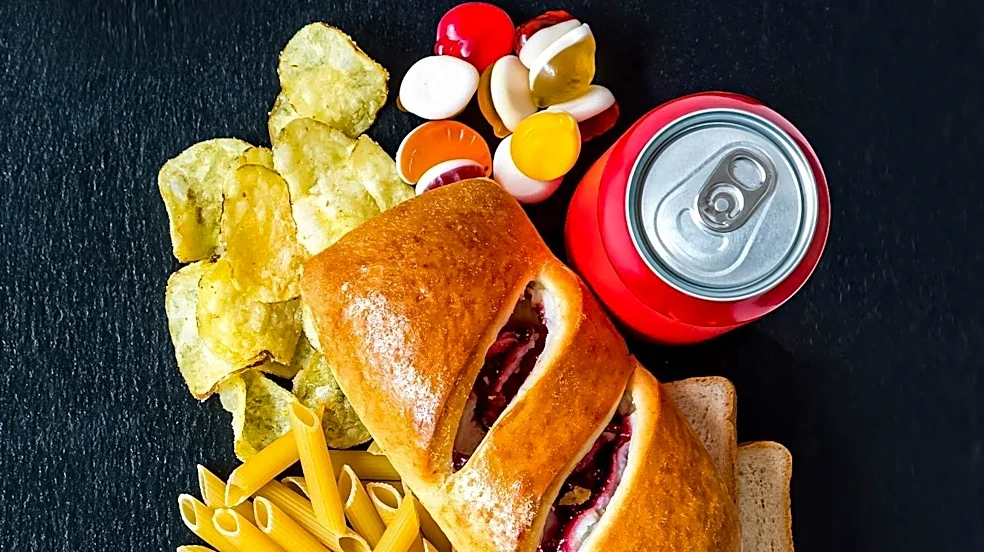
A large-scale study involving over 460,000 American adults aged 50 to 71, published in PLOS Medicine, found no clear overall link between the total intake of ultra-processed foods (UPFs) and the risk of colorectal cancer. The study followed participants
for nearly 19 years, during which 10,075 individuals developed colorectal cancer. While the overall association was not significant, the research revealed a more nuanced picture. Some ultra-processed foods, such as certain whole grain and dairy products, were associated with a lower risk of colorectal cancer. Conversely, processed meats, including bacon, ham, and salami, showed a positive association with an increased risk of colorectal cancer. The findings suggest that the level of processing alone may not be a sufficient indicator of a food's potential health effects, and the specific type of ultra-processed food matters. The study also highlighted that the overall quality of a person's diet remains a crucial factor, with poorer-quality diets linked to a higher risk of colorectal cancer.
Why It's Important?
This study is important because it challenges the broad generalization that all ultra-processed foods uniformly contribute to colorectal cancer risk, a common concern in public health discussions. By differentiating between various types of UPFs, the research provides a more refined understanding for consumers and public health officials. The continued association between processed meats and colorectal cancer reinforces existing dietary guidelines that recommend limiting their consumption. For the food industry, these findings could prompt a re-evaluation of product formulations, potentially encouraging the development of healthier ultra-processed options, particularly those rich in whole grains and dairy. For consumers, it emphasizes the importance of a balanced diet and specific food choices rather than solely focusing on the 'processed' label. The study's scale and duration, tracking hundreds of thousands of Americans for almost two decades, lend significant weight to its conclusions, influencing future dietary recommendations and public health campaigns in the U.S.
What's Next?
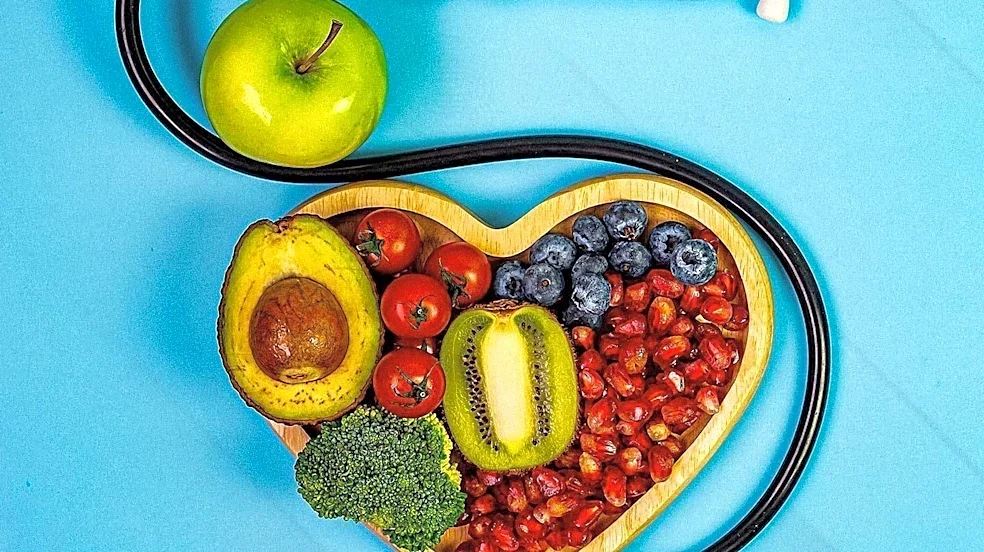
The findings of this study are likely to prompt further research into the specific components and types of ultra-processed foods that may influence colorectal cancer risk. Public health organizations and dietary guideline committees may review and potentially refine their recommendations regarding ultra-processed foods, moving towards more specific advice rather than blanket warnings. There could be increased emphasis on distinguishing between different categories of UPFs and promoting those with beneficial components like whole grains and dairy. For consumers, the message will likely continue to stress the importance of an overall high-quality diet rich in fruits, vegetables, and whole grains, while still advising caution regarding processed meats. The food industry might face pressure to innovate and offer more transparent labeling that highlights the nutritional quality of their processed products, potentially leading to a shift in product development towards healthier formulations.
Beyond the Headlines
Beyond the immediate health implications, this study contributes to a broader scientific debate about how food processing is defined and its impact on health. The 'ultra-processed' classification, while widely used, has faced criticism for its broadness. This research suggests that a more granular approach is needed, moving beyond a simple 'processed vs. unprocessed' dichotomy to understand the specific nutritional profiles and ingredients within processed foods. This could lead to a re-evaluation of food classification systems and dietary guidelines, potentially influencing food policy and regulatory frameworks. Ethically, it highlights the responsibility of food manufacturers to produce healthier options and the need for clearer communication to the public about the varying health impacts of different processed foods. The study also underscores the complexity of dietary research, where observational studies can reveal associations but not direct causation, necessitating ongoing investigation into the mechanisms by which certain foods affect health.