



What's Happening?
Cyclone Ditwah has caused extensive damage to Sri Lanka's agriculture, fisheries, and rural livelihoods, according to the United Nations' Food and Agriculture Organisation (FAO). The cyclone, which struck in late November 2025, is reported to be the most
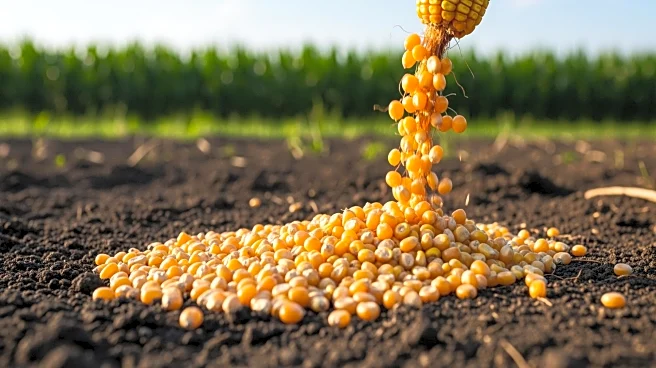
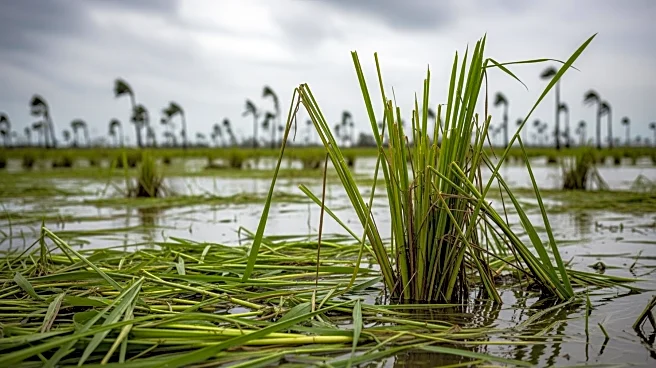
severe storm to hit Sri Lanka in a century. It resulted in devastating floods and landslides, particularly affecting the island's central highlands and southern regions. The FAO's report highlights that the cyclone destroyed agricultural land, standing crops, livestock, and fisheries assets, significantly impacting the country's main season crop production. An estimated 227,000 farmers, primarily smallholder rice producers, have been affected, with over 106,000 hectares of paddy fields partially or completely destroyed. Additionally, important cash crops such as maize, vegetables, onions, and green gram have been lost. The fishery sector has also suffered losses valued between 20.5 and 21.5 billion LKR. The Export Development Board (EDB) Chairman, Mangala Wijesinghe, noted that at least 573 exporters are facing challenges due to shortages in raw materials, particularly in export agricultural goods and spices.
Why It's Important?
The impact of Cyclone Ditwah on Sri Lanka's agriculture and fisheries sectors is significant, as these are crucial components of the country's economy and export industry. The destruction of crops and fisheries not only threatens food security but also affects the livelihoods of thousands of farmers and workers in related industries. The shortage of raw materials for exporters could lead to a decline in Sri Lanka's export revenues, particularly in agricultural products and spices, which are key export commodities. This situation may also lead to increased prices for these goods on the international market, affecting global supply chains. The economic repercussions could extend beyond Sri Lanka, impacting trade partners and markets that rely on Sri Lankan agricultural exports.
What's Next?
The Sri Lankan government, along with relevant authorities, is expected to assess the full extent of the damage caused by Cyclone Ditwah. Once the assessment is complete, efforts will likely focus on recovery and rebuilding, including providing support to affected farmers and exporters. This may involve financial aid, infrastructure repair, and initiatives to restore agricultural production. International aid and support from global organizations could also play a role in the recovery process. The situation may prompt discussions on improving disaster preparedness and resilience in Sri Lanka to mitigate the impact of future natural disasters.