



What's Happening?
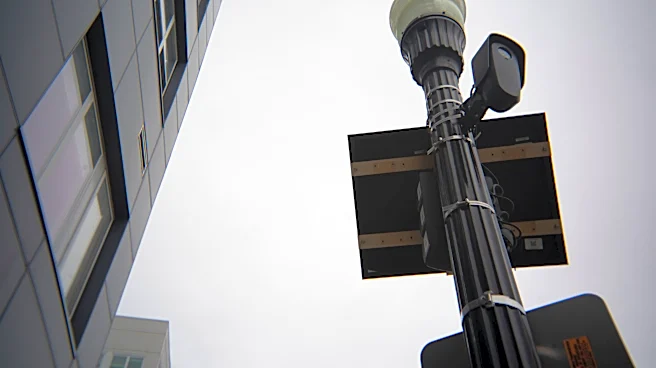
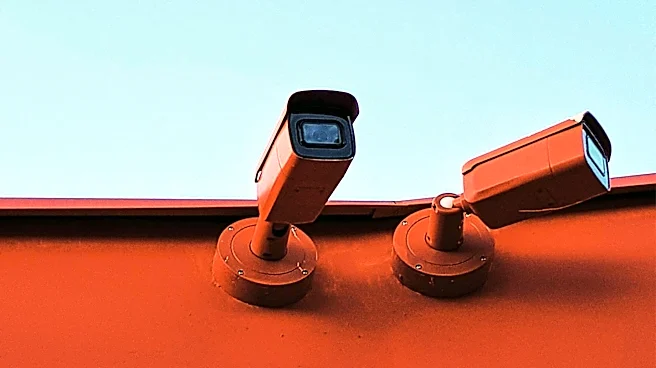
The city of Renton, Washington, has decided to cover its Flock surveillance cameras following public concerns over trust and transparency. The decision was made by the Renton City Council to address residents' alarm over the cameras' return without notice.
The cameras, which were already inactive, had been shut down in compliance with Washington Senate Bill 6002. The council's move aims to rebuild public confidence and address broader questions about surveillance and data collection. A town hall meeting is planned to educate residents on the technology and foster civil discourse.
Why It's Important?
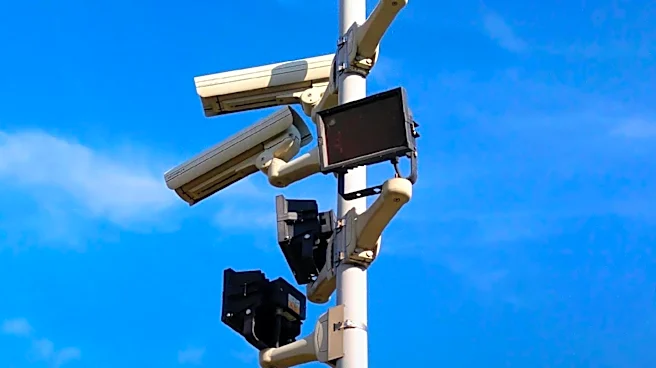
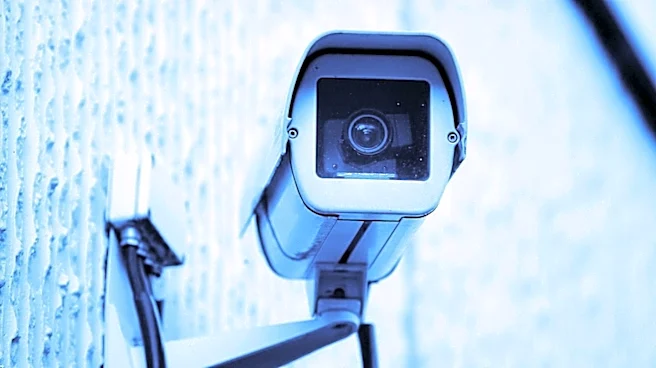
The decision to cover the Flock cameras highlights the ongoing debate over surveillance technology and its impact on privacy and public trust. The use of license plate readers and other surveillance tools raises concerns about data collection and potential misuse. This issue is particularly relevant in communities that feel vulnerable to overpolicing or data misuse. The Renton City Council's actions reflect a broader trend of communities seeking greater transparency and accountability in the use of surveillance technology.
What's Next?
The city plans to keep the Flock cameras covered unless the contract is renewed or the cameras are removed. A town hall meeting will be organized to provide residents with information about the technology and its use in Renton. This initiative aims to foster informed discussions and address public concerns. The outcome of these discussions could influence future decisions on the use of surveillance technology in the city and potentially serve as a model for other communities facing similar issues.
Beyond the Headlines
The situation in Renton underscores the challenges of balancing public safety with privacy and civil liberties. The debate over surveillance technology reflects broader societal concerns about the role of technology in modern life and the need for transparent governance. The outcome of Renton's efforts to address these concerns could have implications for how other cities approach the use of surveillance tools and engage with their communities on issues of privacy and security.