



What's Happening?
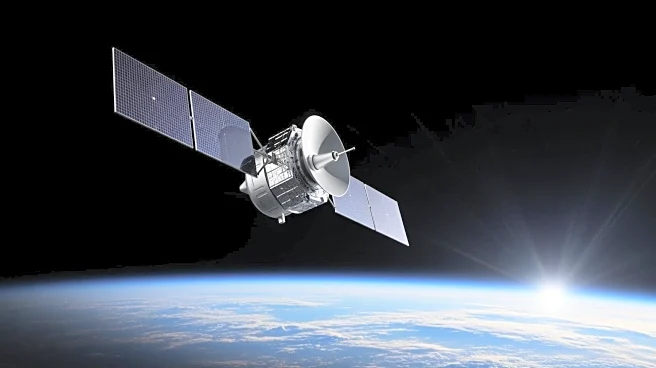
NASA, in collaboration with the Indian Space Research Organization (ISRO), has launched the NISAR satellite, a mission designed to monitor changes in glaciers, ice sheets, permafrost, and wetlands. The satellite, which cost $1.5 billion, aims to provide
centimeter-level accuracy in measuring these changes, which are closely related to climate change. Despite the Trump administration's efforts to limit climate research, NASA continues to emphasize the satellite's utility in commercial and military applications, such as monitoring infrastructure and aiding in disaster response. The NISAR mission is expected to last at least three years and will orbit the Earth 14 times a day, scanning nearly the entire land and ice surface of the planet twice every 12 days.
Why It's Important?
The launch of the NISAR satellite is significant as it represents a continued effort by NASA to gather critical data on climate change, despite political challenges. The satellite's ability to provide detailed observations of Earth's ice cover and permafrost is crucial for understanding the impacts of global warming. This data is vital for predicting sea-level rise and assessing risks to coastal infrastructure. The collaboration with ISRO also highlights the importance of international partnerships in advancing scientific research. The mission's success could influence future policies and funding for climate research, as well as strengthen global cooperation in addressing environmental challenges.
What's Next?
The NISAR mission will continue to collect data over the next three years, providing valuable insights into the Earth's changing climate. The information gathered will be used to support various applications, including infrastructure monitoring and disaster response. However, the future of NASA's climate research remains uncertain under the current administration, which has expressed a desire to reduce government involvement in climate science. The selection of a new NASA administrator could further impact the agency's direction, with potential shifts towards privatizing certain research activities. Continued international collaboration will be essential to ensure the success of future missions.