

What's Happening?
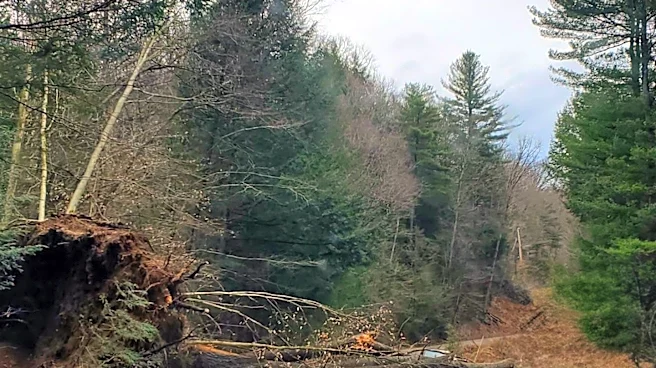
An Akron resident, Nathan Myers, is experiencing significant safety concerns and frustration after a large tree branch fell onto his rental home on Chalker Avenue in Akron on July 3. The incident, which occurred during a storm, caused substantial roof
damage to the property. Myers, who was watching television at the time, described the impact as sounding like a freight train. The branch originated from a neighboring property. As a result of the damage, water now leaks into Myers' bathroom whenever it rains. Myers, who is disabled and suffers from neurological problems and neuropathy, fears that the remaining portion of the tree is unstable and poses a continued danger to him and other residents. He has attempted to contact the company managing the neighboring property to request the tree's removal but feels his concerns are not being addressed. Crossroads Management Realty, which manages the adjacent property, confirmed its management role but declined to comment on the situation.
Why It's Important?
This incident highlights critical issues related to property maintenance, neighborly responsibility, and the complexities of insurance claims, particularly concerning natural events. For homeowners and renters, the situation underscores the potential financial burdens and safety risks associated with neglected trees on adjacent properties. While Myers' landlord had to pay a $2,500 deductible for branch removal and is awaiting an insurance claim, insurance agent Meghan Thompson from Thompson and Hummel Insurance stated that damage from a neighbor's tree is typically considered an 'act of God,' making it the responsibility of the property owner whose home is damaged. This interpretation can leave individuals like Myers in a precarious position, facing ongoing safety threats and property damage despite not owning the problematic tree. The case also brings to light the challenges individuals face when trying to resolve such issues with unresponsive property management companies, emphasizing the need for clear communication and documentation of concerns between neighbors.
What's Next?
Nathan Myers plans to continue advocating for the removal of the tree, which he believes remains a significant danger. He previously sought assistance from News 5 for an unrelated issue, which was resolved, and is now hoping for similar intervention regarding the tree. The landlord of Myers' residence is awaiting a claim from her insurance company to cover the repair costs for the damaged roof. The situation may escalate if the tree is not addressed, potentially leading to further damage or injury, especially during future storms. The lack of comment from Crossroads Management Realty suggests a potential stalemate, which could necessitate further action from Myers or his landlord, possibly involving legal avenues or continued public appeals to compel the neighboring property managers to address the hazardous tree.
Beyond the Headlines
The incident in Akron extends beyond a simple property damage claim, touching upon broader societal implications regarding urban forestry, property rights, and the vulnerability of disabled individuals. The presence of large, potentially hazardous trees in residential areas raises questions about municipal regulations for tree maintenance and the enforcement of such rules, particularly when properties are managed by absentee landlords or companies. For disabled residents like Myers, the added stress and potential physical danger from an unstable tree can significantly impact their quality of life and sense of security within their own homes. The 'act of God' insurance clause, while standard, can create a financial and logistical burden on innocent parties, prompting a discussion about whether current insurance frameworks adequately protect individuals from risks originating on neighboring properties, especially when those risks are foreseeable and preventable through proper maintenance.