




What's Happening?
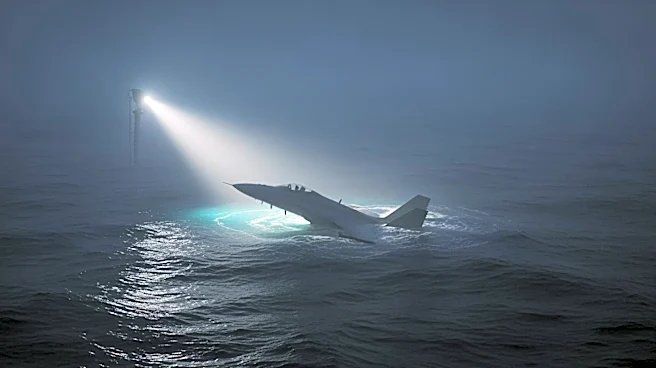
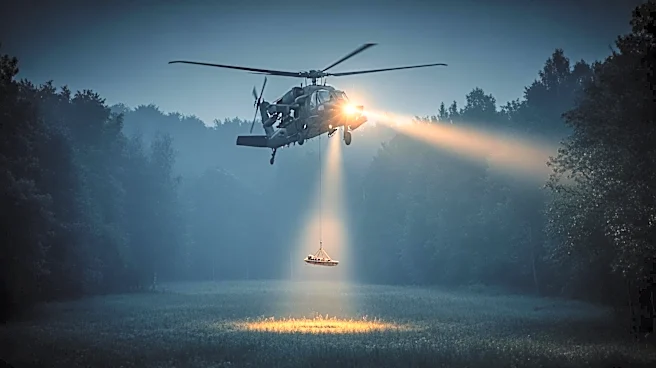
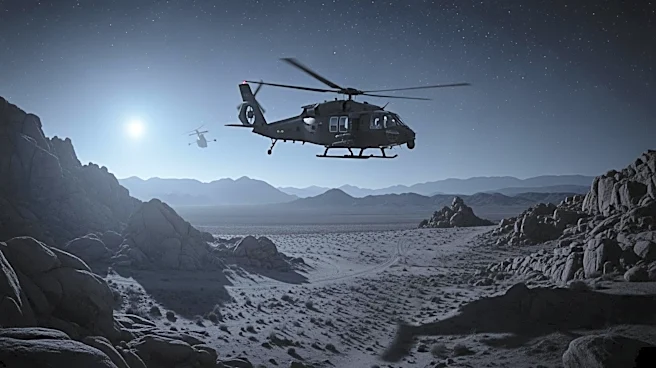
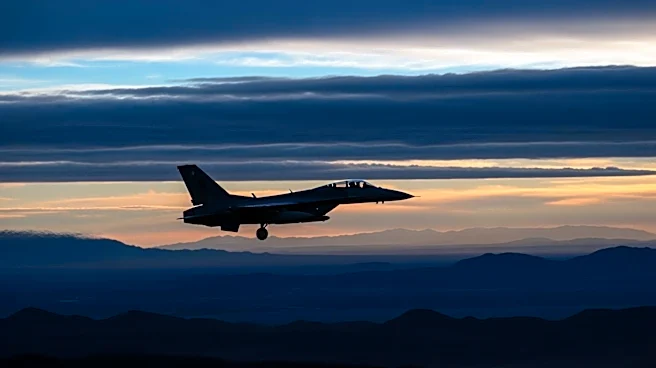
A recent U.S. military operation demonstrated the lengths to which the armed forces will go to recover their own personnel. When a U.S. fighter jet went down in hostile territory, the military launched a massive rescue operation involving over 150 aircraft.
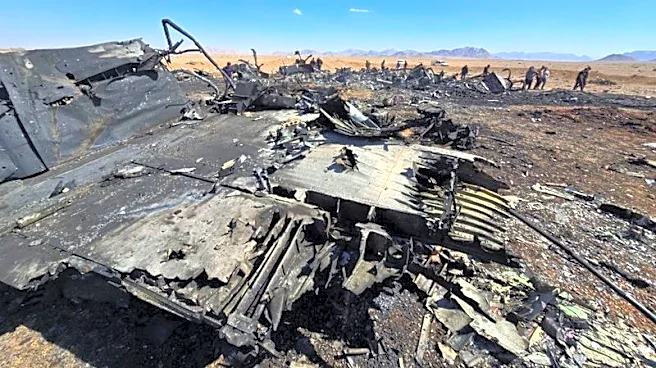
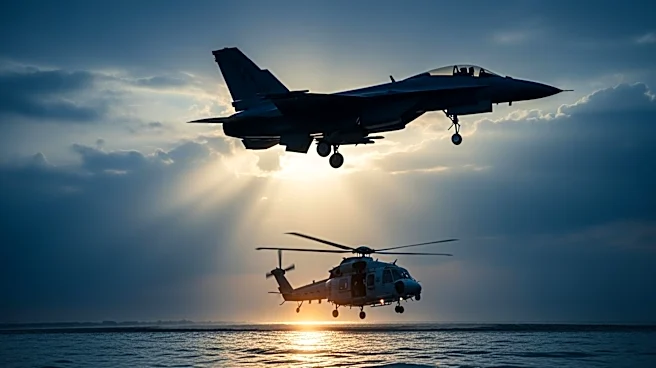
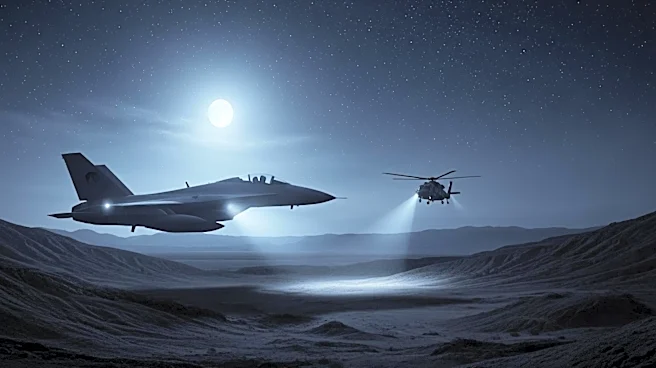
The mission included rescue helicopters flying into active fire and A-10 aircraft engaging enemy forces at close range. Despite the risks, the operation successfully recovered two crew members, one of whom evaded capture for nearly two days. The mission involved destroying a U.S. aircraft on the ground to prevent sensitive technology from falling into enemy hands, highlighting the complexity and danger of the operation.
Why It's Important?
This operation underscores the U.S. military's commitment to its personnel, reinforcing the belief that service members will not be abandoned. This principle is ingrained in military doctrine and training, influencing how service members operate under fire and make critical decisions. The rescue operation not only demonstrated military capability but also reinforced trust and cohesion within the ranks. Such actions have broader implications for recruitment and retention, showcasing the military's commitment to its personnel and potentially attracting new recruits who value this mutual commitment.
What's Next?
The successful rescue operation may lead to further discussions on military strategy and resource allocation for personnel recovery missions. It could also influence training programs to ensure readiness for similar high-risk operations in the future. Additionally, the operation may prompt evaluations of current protocols to enhance efficiency and safety in rescue missions.
Beyond the Headlines
The operation highlights the ethical commitment of the U.S. military to its personnel, emphasizing the principle of 'leave no one behind.' This commitment is not only a tactical decision but a cultural one that shapes military identity and values. The operation serves as a reminder of the sacrifices and risks involved in military service, reinforcing the unwritten contract between service members and the institution.