









What's Happening?
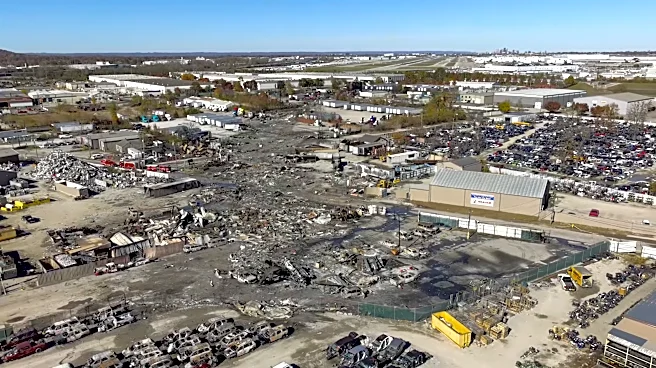
UPS is under investigation following a plane crash at Louisville's Muhammad Ali International Airport, which resulted in the deaths of three pilots and 12 people on the ground. The crash occurred when an engine detached from the aircraft during takeoff.
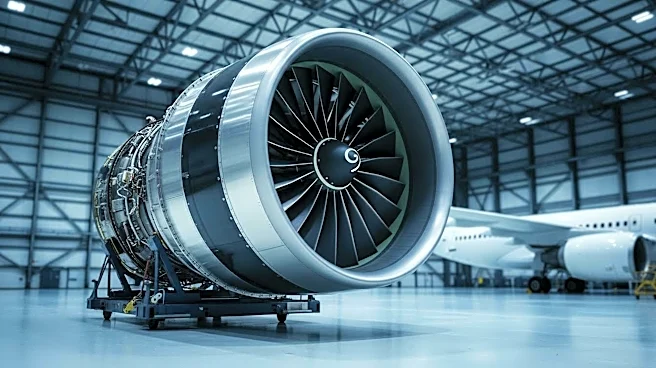
Documents released by crash investigators reveal that UPS did not require detailed inspections of the engine pylons, despite Boeing's earlier recommendations. The National Transportation Safety Board (NTSB) is examining the roles of UPS, Boeing, the Federal Aviation Administration (FAA), and the maintenance company STE San Antonio Aerospace in the incident.
Why It's Important?
This incident highlights significant safety oversight issues within the aviation industry, particularly concerning maintenance protocols and regulatory compliance. The failure to conduct thorough inspections, as recommended by Boeing, raises questions about the safety practices of major airlines and their adherence to manufacturer guidelines. The crash has prompted a reevaluation of inspection procedures, which could lead to stricter regulations and increased scrutiny of maintenance practices across the industry. The outcome of the NTSB investigation may result in policy changes that aim to prevent similar tragedies in the future.
What's Next?
The NTSB is expected to release its final report on the crash later this year or early next year. In the meantime, UPS has decided to retire its fleet of MD-11 aircraft, while other operators, like FedEx, have resumed flights after implementing enhanced safety measures. The aviation industry is likely to see increased regulatory pressure to ensure compliance with safety standards. Stakeholders, including airlines and regulatory bodies, will need to collaborate to address the identified safety gaps and restore public confidence in air travel.