



What's Happening?
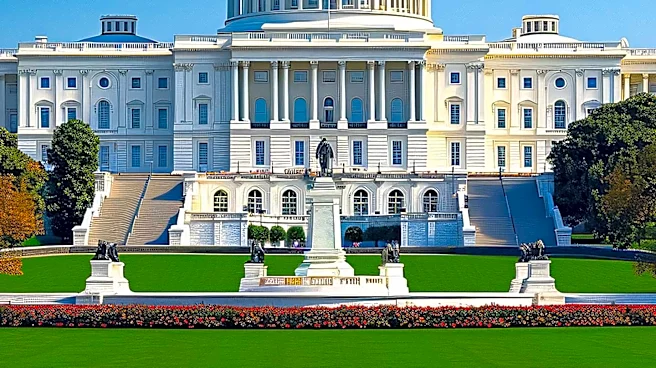
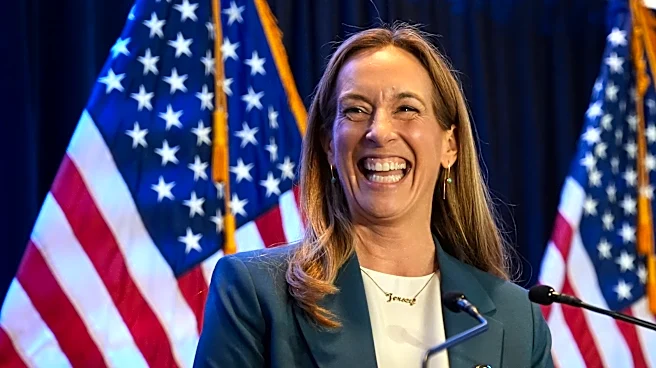
The GW Institute for Korean Studies (GWIKS) is organizing a Korea Policy Forum to analyze the recalibration of Northeast Asian geopolitics following the 2026 U.S. midterm elections. This event will bring together experts from the United States and South
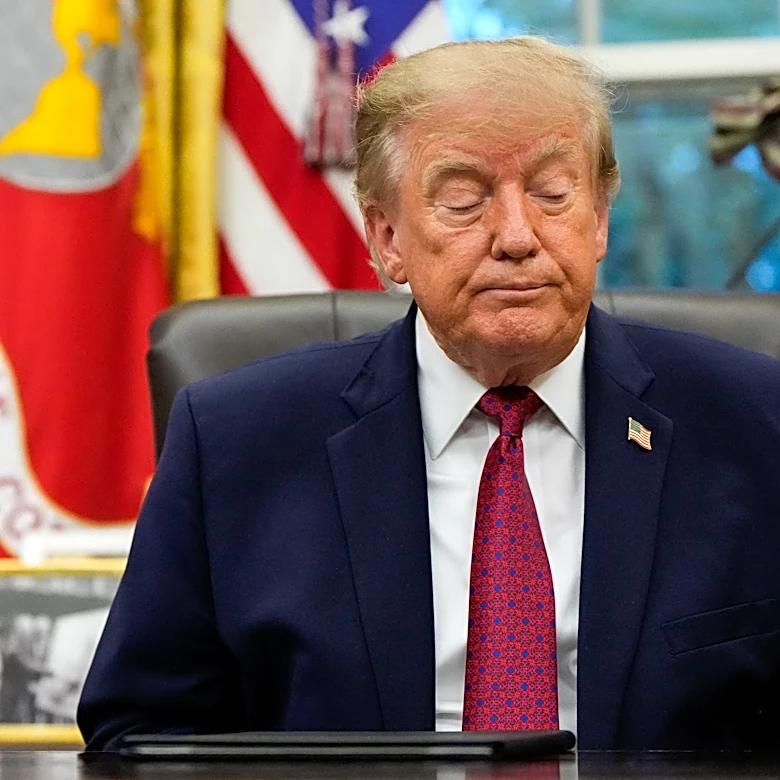
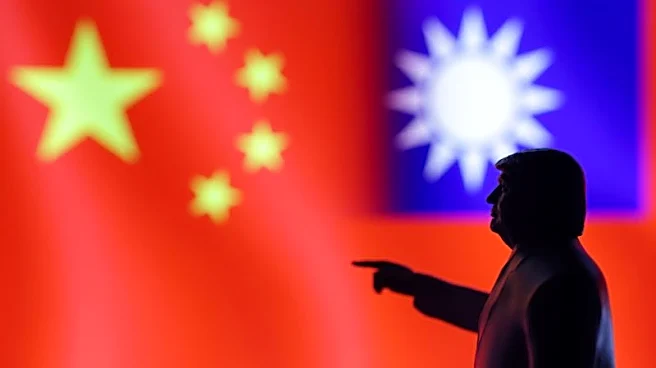
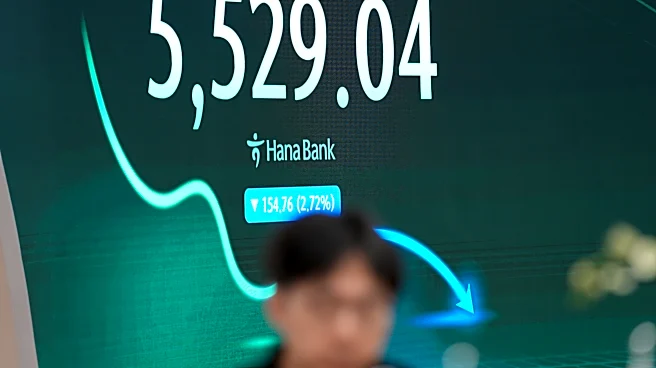
Korea to discuss the implications of the midterms on U.S. policy towards the region. The forum will address how the political landscape in Washington, shaped by the remainder of President Trump’s second term, will influence Northeast Asia. Key topics for discussion include regional security, the U.S.–ROK alliance, U.S.–China relations, and emerging challenges in trade, technology, and economic security. The event aims to provide a timely and forward-looking discussion on these critical issues, offering perspectives from both Washington and Seoul.
Why It's Important?
This forum is crucial for understanding the evolving dynamics in Northeast Asia, a region of significant strategic and economic importance to the United States. The U.S. midterm elections often signal shifts in domestic policy that can have profound international repercussions, particularly in areas like foreign relations and trade. The discussions on U.S.–China relations and developments on the Korean Peninsula are especially pertinent, as these are central to global stability and economic interconnectedness. The insights from this forum could inform policymakers, businesses, and academic institutions about potential changes in regional alliances, trade policies, and technological competition. For U.S. stakeholders, understanding these geopolitical shifts is vital for strategic planning and mitigating risks in a complex international environment.
What's Next?
The Korea Policy Forum will feature a keynote address focusing on South Korea’s strategic choices, followed by panel discussions. These discussions are expected to delve into specific aspects of regional security, the future of the U.S.–ROK alliance, and the trajectory of U.S.–China relations. The forum will also explore emerging challenges in trade, technology, and economic security, providing a comprehensive outlook on the region. The outcomes and insights generated from this event could influence future policy considerations and diplomatic efforts by both the U.S. and South Korea, as well as other regional actors. The discussions will likely highlight areas requiring increased cooperation or potential points of contention in the coming years.
Beyond the Headlines
The forum's focus on the post-midterm outlook for Northeast Asia underscores the deep interconnections between domestic U.S. politics and international affairs. The emphasis on U.S.–China relations and the Korean Peninsula highlights the ongoing geopolitical competition and the critical need for nuanced diplomatic strategies. Beyond immediate policy implications, the discussions on trade, technology, and economic security point to a broader trend of economic statecraft becoming increasingly intertwined with national security. This event reflects a growing recognition that geopolitical stability is not solely dependent on military power but also on economic resilience and technological leadership, shaping long-term shifts in global power dynamics and international cooperation frameworks.