


What's Happening?
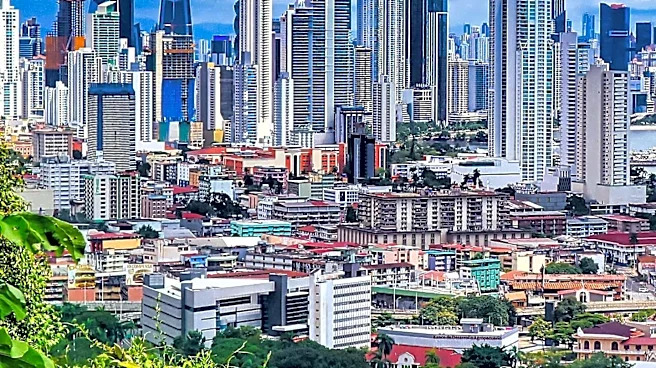
Panama City's Casco Viejo, a district founded in the 17th century and now a UNESCO World Heritage Site, has undergone a remarkable transformation from a neglected area into a fashionable address. Colonial townhouses, French-influenced mansions, and art
deco facades have been converted into boutique hotels, craft breweries, and rooftop bars, attracting tourists and investment. A notable example is the American Trade Hotel, which once served as a base for a notorious gang but is now one of the capital's finest hotels. This revival, however, stands in stark contrast to the neighboring areas of Santa Ana and El Chorrillo. These districts, which were heavily impacted by the 1989 U.S. invasion to topple General Manuel Noriega's military dictatorship and subsequently became no-go zones due to gang activity, have not seen the same level of investment. While Casco Viejo benefited from UNESCO status and subsequent investment, Santa Ana and El Chorrillo are now working on community-led initiatives to uplift their neighborhoods.
Why It's Important?
The revitalization of Casco Viejo highlights the economic potential of urban renewal and heritage preservation, drawing significant tourism and investment to Panama City. This transformation creates new business opportunities, particularly in the hospitality and service sectors, and enhances the city's global appeal. However, it also underscores the complex challenges of gentrification, where increased property values and development can lead to the displacement of long-term residents and a stark economic divide with adjacent communities. The efforts of organizations like Movimiento Cultural Identidad in Santa Ana and El Chorrillo are crucial. They aim to ensure that the benefits of tourism and development are shared more equitably, fostering community pride and economic empowerment for local residents, rather than solely focusing on architectural restoration or external investment. This model seeks to preserve the 'raw Panama' and its cultural authenticity.
What's Next?
The trend of urban development and tourism growth in Panama City's historic districts is expected to continue, with national tourism having grown by 8% in the past year. This will likely lead to further investment in Casco Viejo and potentially spill over into adjacent areas like Santa Ana and El Chorrillo. Community-led initiatives, such as those by Movimiento Cultural Identidad, will play an increasingly vital role in shaping how these overlooked neighborhoods develop. These organizations will continue to host tours and community programs designed to challenge existing perceptions, highlight local culture and creativity, and ensure that tourist spending directly benefits residents and small businesses. The ongoing challenge will be to manage the pace and nature of gentrification to prevent the loss of local identity and ensure inclusive growth that benefits all segments of the population.
Beyond the Headlines
The transformation of Casco Viejo and the contrasting situations in Santa Ana and El Chorrillo reflect a broader global phenomenon of urban regeneration in historic city centers. This development raises profound questions about cultural heritage, social equity, and sustainable tourism. While economic revitalization is often a primary goal, the ethical implications of gentrification—including potential displacement and the commodification of local culture—are significant. The efforts by community organizations to empower residents and direct tourism benefits locally represent a critical counter-narrative, advocating for development that is rooted in community needs and cultural preservation. This ongoing dynamic illustrates the delicate balance required to foster economic growth while safeguarding the unique social fabric and historical authenticity of urban environments, particularly in regions with complex colonial and post-colonial histories.