


What's Happening?
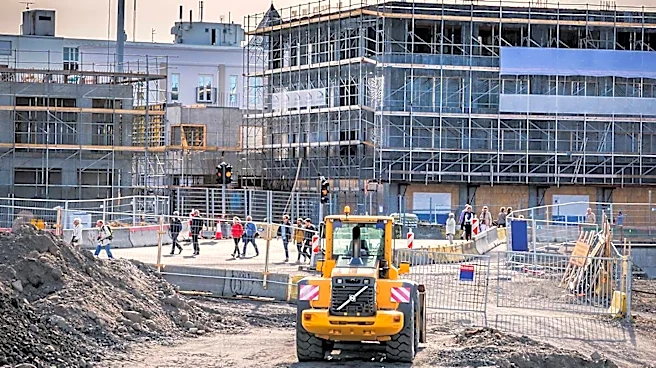
The Lincoln Recreation Center in Oakland, California, is set to undergo a major transformation. The nearly 50-year-old facility will be demolished and replaced with a new two-story building, nearly three times its current size. This new center will include
classrooms, indoor basketball courts, and serve as a 'resilience hub' during climate emergencies like wildfires and power outages. The project, which has been in the works for decades, is funded through a combination of local, state, federal funds, and private contributions. The design, developed by Shah Kawasaki Architects, incorporates features such as solar panels, battery storage, and refrigeration for medication. The groundbreaking ceremony took place recently, marking the start of construction, with completion expected by summer 2028.
Why It's Important?
The redevelopment of the Lincoln Recreation Center is significant for several reasons. It addresses the long-standing need for improved community facilities in Oakland's Chinatown, providing a modern space for education, sports, and social activities. Additionally, the center's role as a resilience hub highlights a growing trend in urban planning to incorporate climate adaptation features into public infrastructure. This project not only enhances community resilience to climate-related events but also serves as a model for similar initiatives nationwide. The involvement of local organizations and residents in the planning process underscores the importance of community-driven development in creating spaces that meet the diverse needs of urban populations.
What's Next?
As construction begins, the community will face a temporary closure of the existing center, which may impact local residents who rely on its programs. Efforts are underway to relocate some activities to nearby facilities to maintain community engagement during the construction period. Once completed, the new center is expected to significantly enhance the quality of life for Chinatown residents, offering expanded services and improved facilities. The project also sets a precedent for integrating resilience features into public buildings, potentially influencing future urban development projects across the country.