


What's Happening?
The Illinois Attorney General's office has filed objections with the Federal Energy Regulatory Commission (FERC) regarding transmission service agreements (TSAs) between Commonwealth Edison (ComEd) and data center developers. The AG's office argues that
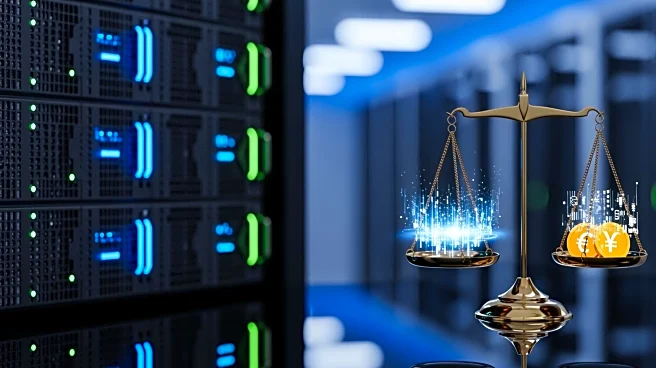
these agreements could lead to increased costs for existing ratepayers, as they do not adequately protect against the financial impact of serving large data centers. The agreements involve payment models where the offtaker commits to a minimum payment, but there is no assurance that this will cover the costs of required transmission facilities. The AG's office is urging FERC to consider the potential cost implications for existing customers before approving the agreements.
Why It's Important?
The objections raised by the Illinois AG highlight the broader issue of how data center developments can impact electricity rates for existing utility customers. As data centers require significant power resources, the costs associated with their development and operation can lead to higher rates for other consumers if not properly managed. This case underscores the need for regulatory frameworks that ensure new developments do not unfairly burden existing customers. The outcome of this dispute could influence how future data center agreements are structured and regulated, potentially affecting the balance between encouraging technological growth and protecting consumer interests.
What's Next?
FERC's decision on the ComEd agreements will be closely watched, as it could set a precedent for how similar cases are handled in the future. The Illinois Commerce Commission is also reviewing the agreements, with a decision expected by May 14. If FERC and state regulators require changes to the agreements, it could lead to new standards for how data centers are integrated into the power grid. This situation may prompt other states to reevaluate their policies on large load tariffs and data center developments, potentially leading to broader regulatory changes across the industry.