





What's Happening?
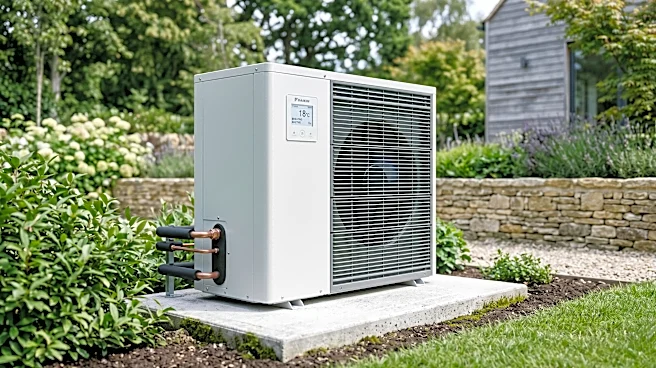
New research from the University of Michigan, supported by the U.S. National Science Foundation, indicates that the increasing adoption of technologies like heat pumps will have a more substantial impact on extreme peak energy demands across many U.S. regions
than climate change alone. The study, led by Mai Shi, a postdoctoral research fellow at U-M's School for Environment and Sustainability (SEAS), modeled how peak demands will evolve between 2020 and 2060, focusing on heating and cooling. While climate change is projected to increase extreme peak demand by 3%-9% in most areas (except the Northwest), technology diffusion, particularly the widespread use of heat pumps, is expected to drive up extreme peak demands in cold regions like the Northeast and Midwest by 60%-104% due to heating requirements. More temperate regions could see increases of around 15%, while hot regions like Texas and California might experience decreases in peak demand extremes due to technology adoption. The research highlights the complex interplay between climate change and technological advancements in shaping future energy needs.
Why It's Important?
This research is crucial for U.S. utilities, policymakers, and grid planners as it provides critical forecasts for preparing the national power grid for future extreme energy demands. The findings suggest that the rapid adoption of energy-efficient technologies, while beneficial for reducing overall energy consumption, can paradoxically create significant challenges for grid stability during peak periods, especially in colder climates. The substantial projected increases in peak demand due to heat pump adoption in the Northeast and Midwest necessitate immediate and strategic infrastructure investments. Without adequate planning and upgrades, these regions could face increased risks of blackouts, grid strain, and higher energy costs for consumers. The study underscores the need for regions to adjust incentives and regulations to guide technology diffusion in a manner that supports grid reliability, rather than overwhelming it. This shift in understanding, prioritizing technology's impact alongside climate change, is vital for ensuring a resilient and sustainable energy future for the U.S.
What's Next?
The findings from this University of Michigan study will likely inform future power grid planning and policy decisions across the United States. Utilities and regional grid operators are expected to integrate these projections into their long-term infrastructure development plans, potentially accelerating investments in grid modernization, energy storage solutions, and demand-side management programs. Policymakers may consider new incentives or regulations to manage the pace and type of technology adoption, particularly for heating and cooling systems, to mitigate potential grid stress. Further research will likely focus on refining these models, exploring additional technology diffusion pathways, and developing regional-specific strategies to balance energy efficiency goals with grid reliability. The study's emphasis on the combined effects of climate change and technology suggests a need for integrated approaches that consider both environmental shifts and consumer behavior in energy forecasting.
Beyond the Headlines
The study's revelation that technology diffusion could have a greater impact than climate change on peak energy demand in many U.S. regions presents a nuanced challenge to conventional energy planning. While the push for electrification and energy-efficient technologies like heat pumps is a cornerstone of climate mitigation strategies, this research highlights an unintended consequence: increased strain on the electrical grid. This raises ethical questions about the responsibility of technology manufacturers, policymakers, and utilities to anticipate and address these systemic impacts. It also points to a potential long-term shift in how energy infrastructure is designed and managed, moving beyond simply accommodating climate change to actively shaping technology adoption. The need for 'smart' grids, capable of dynamically managing demand and supply, becomes even more critical. Culturally, it may require a re-evaluation of how consumers perceive and interact with energy-saving technologies, understanding that their individual choices collectively contribute to broader grid challenges and solutions.