






What's Happening?
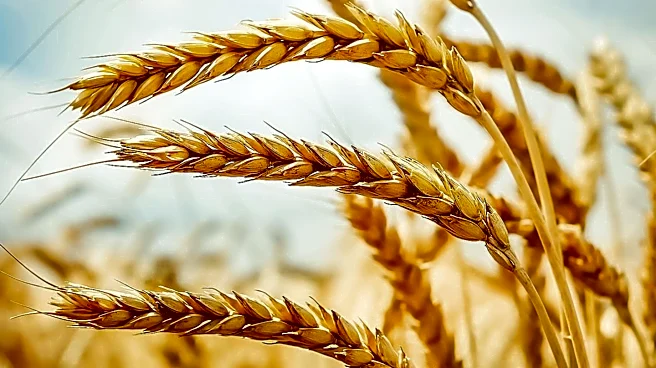
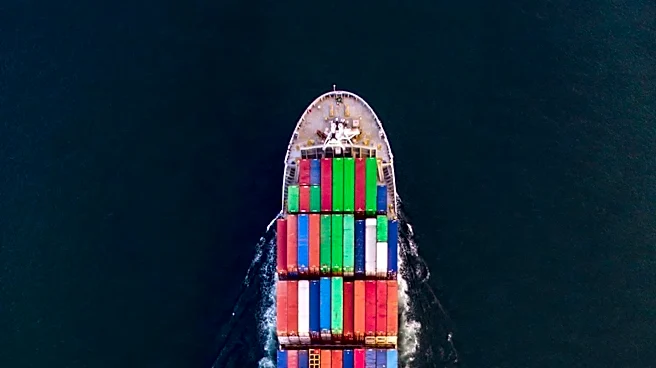
Russian wheat exports are projected to hit a decade low in August due to disruptions caused by attacks on commercial vessels in the Black Sea. Industry analysts warn that shipping bottlenecks in southern ports are severely impacting the export capacity,
with projections indicating a significant drop from the usual August averages. The conflict between Russia and Ukraine has led to attacks on each other's agricultural export facilities, driving up global wheat prices. The Russian Agriculture Ministry has responded by raising the wheat export tax, while domestic markets face oversupply issues.
Why It's Important?
The decline in Russian wheat exports could have significant implications for global food security, particularly in regions heavily reliant on Russian grain, such as Africa and the Middle East. The disruption in supply chains may lead to increased food prices and potential shortages, exacerbating existing food insecurity issues. For Russia, the export challenges could impact the agricultural sector's profitability and lead to economic repercussions. The situation also highlights the broader impact of geopolitical conflicts on global trade and food supply chains.
What's Next?
The Russian government may seek alternative routes or methods to mitigate the impact of the Black Sea disruptions on its grain exports. Diplomatic efforts to de-escalate the conflict and secure safe passage for commercial vessels could be explored. The international community may need to address the potential humanitarian impact of reduced grain supplies, particularly in vulnerable regions. Monitoring the situation will be crucial to anticipate further developments and potential shifts in global grain markets.