


What's Happening?
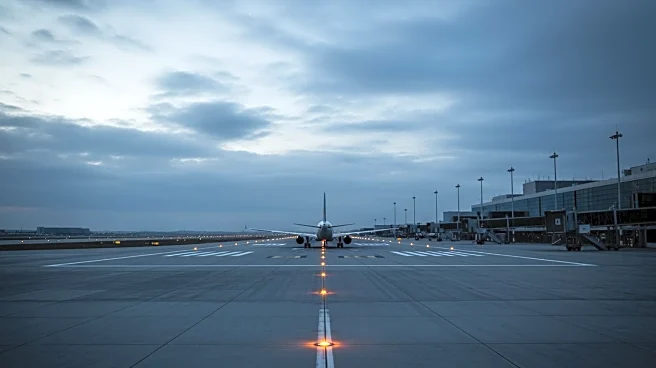
Dutch airline KLM has announced the temporary suspension of its daily flights between Amsterdam and Tel Aviv starting March 1, due to rising security tensions in the Middle East. The decision comes shortly after KLM had resumed its service to Israel on February
1, following a previous suspension. The airline cited operational and commercial infeasibility as reasons for the suspension. Passengers affected by this decision are being notified individually and offered options to rebook or receive refunds. KLM is not alone in altering its flight operations to Israel; other European carriers like Lufthansa and Swiss International Air Lines have also modified their flight schedules due to security concerns, with Lufthansa extending its modified nighttime flight schedule through March 6.
Why It's Important?
The suspension of flights by KLM highlights the ongoing impact of regional security tensions on international travel and commerce. This decision affects not only passengers but also has broader implications for the airline industry, which must constantly adapt to geopolitical developments. The move underscores the challenges airlines face in maintaining operations in volatile regions, potentially leading to financial losses and logistical complications. For travelers, this means increased uncertainty and potential disruptions in travel plans. The situation also reflects the broader geopolitical instability in the Middle East, which can have ripple effects on global travel and trade.
What's Next?
KLM will continue to monitor the situation and reassess its decision based on developments in the region. Other airlines may also adjust their operations in response to changing security conditions. The ongoing tensions could lead to further disruptions in air travel, affecting not only airlines but also tourism and business travel. Stakeholders, including governments and international organizations, may need to engage in diplomatic efforts to stabilize the region and ensure the safety of air travel. The situation remains fluid, and airlines will need to remain vigilant and responsive to any changes.