

What's Happening?
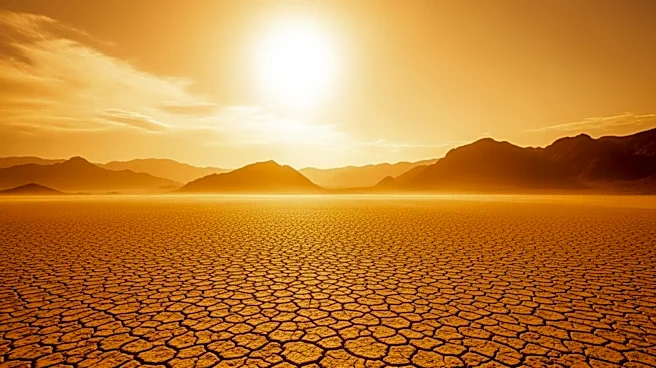
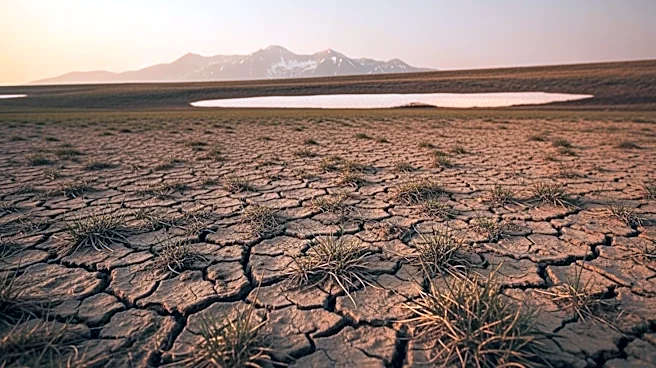
Researchers from UCLA have raised concerns about the potential for severe heat waves in the upcoming summer, driven by climate change and the possible development of an El Niño event. El Niño, a natural warming of the ocean's surface, can disrupt weather
patterns and exacerbate heat-related events. Climate scientist Alex Hall highlighted that while natural variability will continue to influence weather, it will do so on top of an already warmer climate, increasing the likelihood of persistent and widespread heat. The researchers emphasized that the climate system has warmed to a point where heat events that were once unlikely are now more plausible. V. Kelly Turner, an expert on extreme heat, noted the importance of tools like California's heat hazard assessment in managing public safety during such events. The study also discussed the potential for longer heat waves and the need for multiple responses to reduce climate risks.
Why It's Important?
The potential for increased heat extremes poses significant risks to public health, infrastructure, and the environment. Prolonged heat waves can lead to higher energy demands, strain on water resources, and increased health issues, particularly for vulnerable populations. The economic impact could be substantial, affecting agriculture, labor productivity, and increasing healthcare costs. The warnings from UCLA researchers underscore the urgency for policymakers to implement adaptive measures and invest in climate resilience. The potential development of an El Niño event further complicates the situation, as it could amplify the effects of climate change, making it crucial for governments and communities to prepare for these challenges.
What's Next?
If an El Niño develops, it could further increase the chances of heat extremes, necessitating proactive measures from local and state governments to mitigate the impact. This includes enhancing public awareness, improving infrastructure to withstand extreme temperatures, and developing comprehensive emergency response plans. Researchers like Ted Parson suggest exploring high-leverage climate interventions, such as Stratospheric Aerosol Injections, to quickly reduce climate risks. However, these interventions should complement, not replace, efforts to cut greenhouse gas emissions and adapt to climate changes. The situation calls for a coordinated response from various stakeholders, including scientists, policymakers, and the public, to address the multifaceted challenges posed by climate change.