





What's Happening?
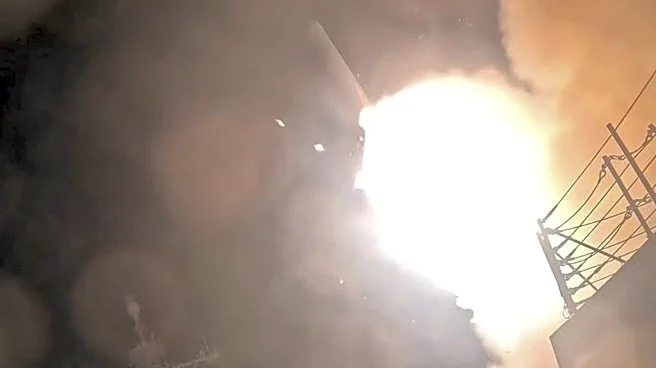
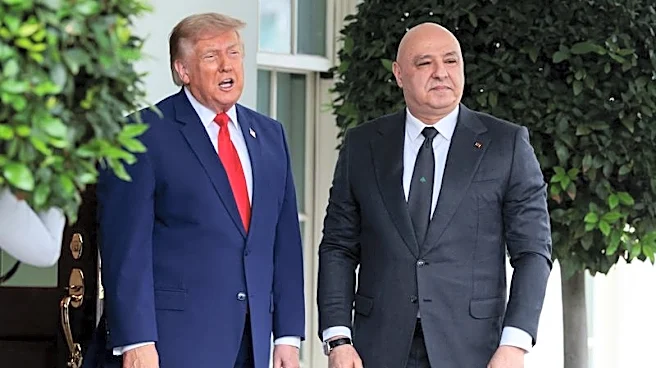
The White House has come under scrutiny for promoting a nonexistent peace deal with Iran, even as U.S. military casualties continue to rise. President Trump recently touted the supposed deal on social media, despite ongoing hostilities and a lack of formal
agreement. The situation has been exacerbated by recent Iranian attacks on U.S. bases, resulting in multiple American casualties. The administration's claims have been met with skepticism, as the reality on the ground contradicts the narrative of a successful peace initiative.
Why It's Important?
The discrepancy between the White House's claims and the actual situation in the Middle East raises questions about the administration's credibility and its handling of foreign policy. The promotion of a nonexistent peace deal could undermine trust in the government's ability to effectively manage international relations and protect American interests. Additionally, the ongoing conflict with Iran poses significant risks to regional stability and U.S. military personnel, highlighting the need for a coherent and realistic strategy to address these challenges.
What's Next?
As tensions with Iran continue, the U.S. government may face increased pressure to clarify its foreign policy objectives and provide a transparent account of its actions. The administration's handling of the situation could become a focal point for political debate, particularly as the 2026 elections approach. Lawmakers and the public may demand greater accountability and oversight of military operations and diplomatic efforts in the region. The outcome of these discussions could shape the future direction of U.S. foreign policy and its approach to conflict resolution.