
What's Happening?
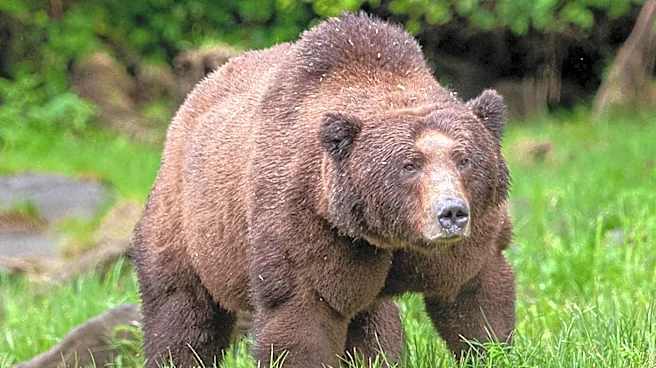
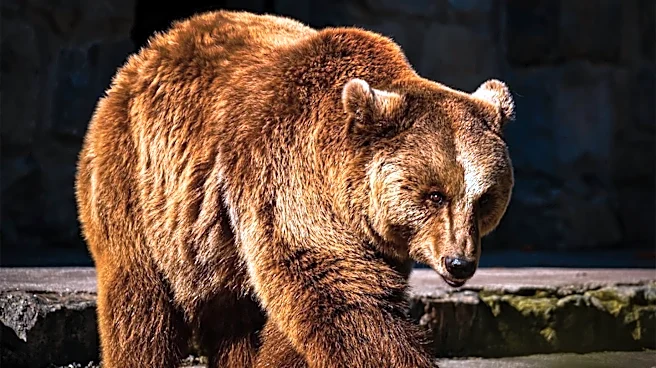
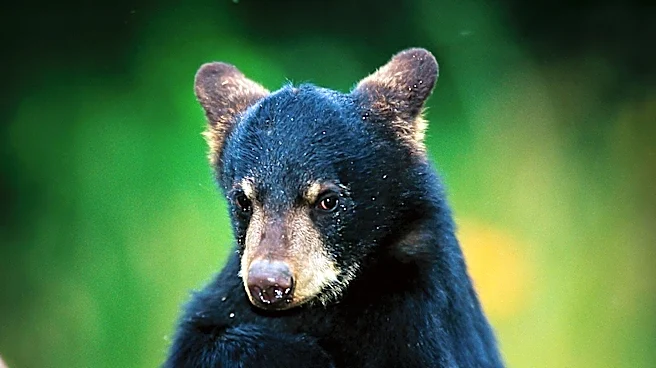
Klaire Rhodes, a 28-year-old marathon athlete from Alaska, successfully fended off a brown bear attack using bear spray while running on the Wolverine Bowl trail in Chugach State Park on August 13. Rhodes, who later identified herself online, sustained
a deep puncture wound to her left hip and claw and teeth marks on her body. Despite the injuries, she managed to 'self-rescue' to the Prospect Heights trailhead in Anchorage and was subsequently treated at a local hospital. Alaska’s fish and game department officials confirmed the incident, stating that biologists interviewed Rhodes and searched the attack site for the bear, though none was found. Warning signs have since been posted at the trailhead, and visitors are reminded to carry deterrents like bear spray. Rhodes described the encounter as 'a nightmare come to life' but expressed pride in how she handled the terrifying situation.
Why It's Important?
This incident highlights the inherent risks associated with outdoor activities in Alaska's wilderness, where human and bear habitats frequently overlap. For athletes and outdoor enthusiasts, it underscores the critical importance of carrying bear deterrents and knowing how to use them effectively, as bear spray proved to be a life-saving tool in this encounter. The event also brings attention to the increasing frequency of bear-human interactions in the region, with several other attacks reported in recent months. This trend has implications for public safety policies, park management, and educational initiatives aimed at preventing such incidents. The resilience shown by Rhodes in a life-threatening situation serves as an example for others who venture into bear country, emphasizing preparedness and calm decision-making. It also prompts a broader discussion about balancing human recreational access with wildlife conservation in shared natural spaces.
What's Next?
Alaska’s fish and game department will continue to monitor the Wolverine Bowl trail and surrounding areas for bear activity, maintaining warning signs and reinforcing safety guidelines for park visitors. Rhodes, a three-time Mount Marathon race winner, is assessing the impact of her injuries on her upcoming race preparations in Europe, grappling with both physical recovery and potential psychological trauma. The incident may lead to renewed public awareness campaigns about bear safety in Alaska, encouraging hikers and runners to carry bear spray, make noise on trails, and understand bear behavior. Discussions might also arise regarding trail management strategies, such as temporary closures or increased ranger presence in high-risk areas. The broader community will likely continue to offer support to Rhodes, while also reflecting on the challenges and responsibilities of coexisting with wildlife in Alaska's vast natural landscapes.
Beyond the Headlines
Beyond the immediate physical and emotional recovery for Klaire Rhodes, this event delves into the complex relationship between humans and the wild, particularly in regions like Alaska where wilderness is an integral part of life. The incident sparks a deeper conversation about risk acceptance in outdoor pursuits and the psychological toll of such encounters. Rhodes's decision to share her story, despite anticipating 'unsolicited opinions,' highlights the public's tendency to scrutinize victims of wildlife attacks, often questioning their actions. This underscores a broader societal challenge in understanding and empathizing with individuals who face unpredictable natural dangers. Furthermore, the increasing frequency of bear encounters could signal ecological shifts, such as habitat encroachment or changes in bear foraging patterns, prompting long-term scientific and policy considerations for wildlife management and human development in Alaska.