




What's Happening?
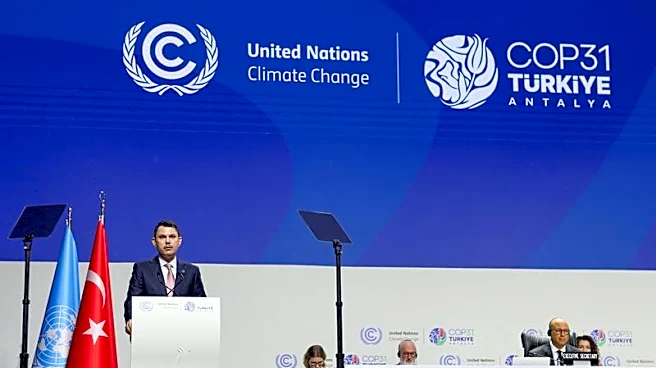
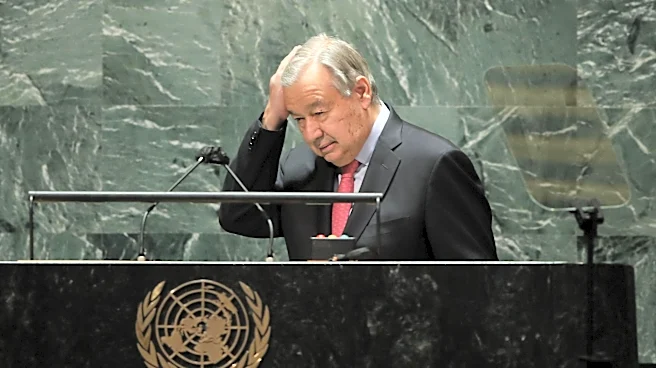
United Nations climate chief Simon Stiell has characterized the climate crisis as a global health crisis reaching pandemic proportions. Speaking at the COP31 climate summit in Antalya, Türkiye, on November 9, Stiell, who serves as the Executive Secretary
of the United Nations Framework Convention on Climate Change (UNFCCC), warned that escalating temperatures, extreme heat events, pervasive air pollution, and climate-induced disasters are increasingly endangering human lives. He highlighted the severe health consequences of global warming, noting that millions are exposed to hazardous conditions, placing immense strain on healthcare systems worldwide. Stiell pointed to recent heat exposure incidents, including extreme heat experienced by hundreds of millions in southern Asia and an estimated 50,000 heat-related deaths in Europe during the northern hemisphere summer. He also emphasized the growing threat to vulnerable populations, such as pregnant women, newborn babies, and maternal health, due to rising temperatures. The UN climate chief attributed the worsening crisis to the continued reliance on fossil fuels and widespread deforestation, identifying these as the primary drivers of human-induced climate change. He also cautioned that the developing El Niño phenomenon is expected to intensify climate impacts, further exacerbating health risks.
Why It's Important?
This declaration by the UN climate chief elevates public health to a central position within the COP31 discussions, underscoring the urgent need for comprehensive climate action that extends beyond greenhouse gas emission reductions to actively protect populations from the escalating health impacts of global warming. The framing of the climate crisis as a 'pandemic' emphasizes its widespread, interconnected, and severe nature, potentially mobilizing a broader range of stakeholders, including public health organizations and medical communities, to engage in climate advocacy and solutions. The focus on specific vulnerable groups, such as pregnant women and newborns, highlights the disproportionate impact of climate change on those least able to adapt, demanding targeted interventions and equitable resource allocation. Furthermore, by linking fossil fuel dependence and deforestation directly to health outcomes, the statement reinforces the argument for a rapid transition to clean energy and sustainable land management practices as essential public health measures. This perspective could influence policy decisions, investment priorities, and international cooperation, pushing for integrated strategies that address both environmental sustainability and human well-being.
What's Next?
The UN climate chief's strong statement is likely to intensify discussions at COP31 regarding the health dimensions of climate change, potentially leading to increased commitments for health-focused climate initiatives. Governments may face heightened pressure to prioritize cleaner energy sources, implement robust heat-health early warning systems, and invest in climate-resilient healthcare infrastructure. There could be a push for greater funding and support for programs aimed at protecting vulnerable populations, including children, pregnant women, older individuals, and outdoor workers, from climate impacts. The Climate and Health Funders Coalition, which has already awarded over $225 million in its first year for initiatives addressing climate-related health consequences, may see increased interest and investment. Discussions are also expected to focus on how to accelerate the transition away from fossil fuels and expand clean energy solutions, not only as a climate imperative but also as a critical public health intervention. The ongoing COP31 summit will likely feature further calls for international collaboration and financial mechanisms to support developing nations in building resilience against climate-induced health crises.
Beyond the Headlines
The characterization of the climate crisis as a 'global health crisis of pandemic proportions' carries significant implications beyond immediate policy discussions. It reframes climate change from primarily an environmental issue to a fundamental threat to human survival and well-being, potentially shifting public perception and political will. This framing could lead to a more integrated approach to global challenges, where climate action is seen as inseparable from public health policy, economic development, and social justice. Ethically, it underscores the moral imperative for developed nations, historically responsible for a larger share of emissions, to support developing countries in mitigating and adapting to health impacts. Legally, it might strengthen arguments for climate reparations and accountability for climate-related health damages. Culturally, it could foster a greater sense of urgency and collective responsibility, similar to responses to infectious disease pandemics, encouraging behavioral changes and community-level resilience building. This broader understanding could also drive innovation in health technologies and climate adaptation strategies, fostering interdisciplinary research and solutions that address the complex interplay between environmental degradation and human health.