



What's Happening?
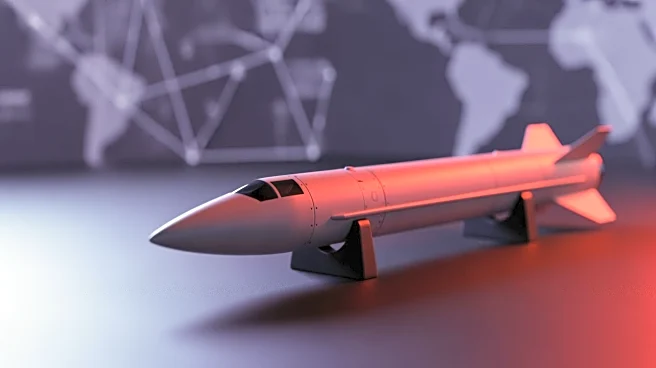
Iran is reportedly close to finalizing a deal to procure Chinese surface-to-ship cruise missiles, as tensions with the U.S. escalate. The negotiations, reported by Reuters, have raised concerns among U.S. lawmakers, although analysts suggest the deal may
not significantly alter the current geopolitical balance. The potential acquisition of the CM-302 missiles, known for their advanced anti-ship capabilities, could introduce strategic uncertainty for the U.S. Navy operating in the Gulf region. The Pentagon has declined to comment on the matter, while China maintains its stance on resolving issues through diplomatic channels.
Why It's Important?
The potential missile deal highlights the growing military cooperation between China and Iran, which could impact U.S. strategic interests in the Gulf. The acquisition of advanced missile systems by Iran may pose a new threat to U.S. naval operations, although the effectiveness of such systems depends on Iran's ability to integrate them into its defense architecture. The deal also underscores China's role as a key player in global arms trade, potentially shifting power dynamics in the region. U.S. lawmakers are concerned about the implications for national security and are considering measures to counter China's influence.
What's Next?
If the missile deal proceeds, Iran will need time to train personnel and integrate the systems into its military operations, delaying any immediate impact. The U.S. may respond by increasing diplomatic pressure on China and Iran, or by enhancing its military presence in the region. The situation could also influence ongoing nuclear negotiations between Iran and the U.S., with potential repercussions for regional stability. The U.S. House select committee has called for revoking China's trade status to leverage negotiations and protect national security.