




What's Happening?
New research indicates that advanced precision farming technologies are significantly improving crop production while simultaneously reducing water usage. A study published in 'Plants, People, Planet' specifically highlighted the effectiveness of these
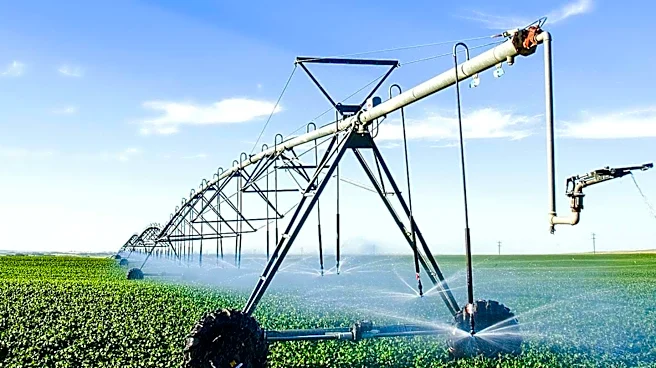
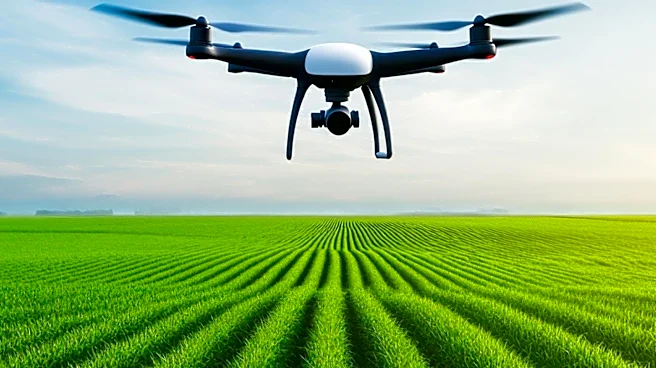
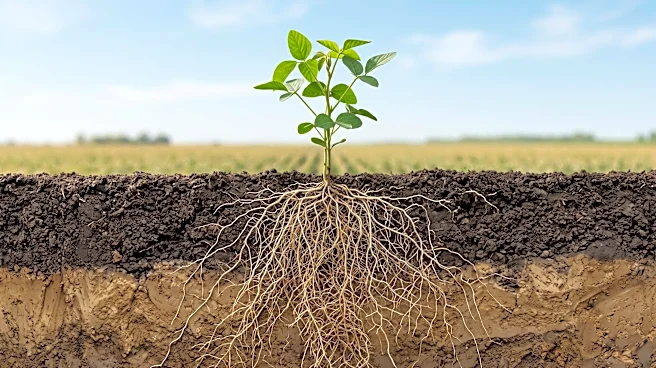
techniques in tomato and table grape cultivation. The research compared traditional farming methods with an advanced irrigation system that utilized sensors and monitoring technologies. Farms employing the smart irrigation method achieved up to a 15% reduction in water consumption. Concurrently, these farms experienced improved crop yields and enhanced fruit quality. The technology functions by gathering real-time data on crops and field conditions, allowing farmers to optimize irrigation schedules and prevent unnecessary watering. Beyond irrigation, the study also incorporated drones and non-destructive quality assessment tools, enabling in-field evaluation of crops without the need for laboratory analysis. This approach helped plants maintain more consistent growth, mitigating the negative impacts of environmental stressors like drought and excessive heat.
Why It's Important?
The findings from this research are crucial for the U.S. agricultural sector, which faces increasing pressure from climate change and water scarcity. Efficient irrigation practices are becoming essential for long-term sustainability in many farming regions across the country. Precision agriculture offers a practical, data-driven solution that allows farmers to make informed decisions, thereby improving resource management and reducing waste. This not only benefits individual farms by increasing productivity and crop quality, but also contributes to broader environmental sustainability by conserving valuable water resources. The enhanced crop quality can also open up new market opportunities for growers, strengthening the economic viability of agricultural operations. As digital technologies become more accessible, the adoption of sensor networks, drone monitoring, and smart irrigation systems is expected to grow, positioning U.S. agriculture for greater resilience against future climate challenges.
What's Next?
The demonstrated success of precision agriculture in improving water efficiency and crop quality suggests a continued trend towards the integration of advanced technologies in U.S. farming. Farmers are likely to increasingly invest in sensor-based irrigation systems, drone monitoring, and data analytics tools to optimize their operations. Research and development in this field will probably focus on making these technologies more affordable and user-friendly for a wider range of crops and farm sizes. Furthermore, agricultural extension services and educational institutions may expand their programs to train farmers in the implementation and management of these sophisticated systems. Policy discussions could also emerge regarding incentives or support for farmers adopting precision agriculture, recognizing its benefits for food security, economic stability, and environmental conservation. The ongoing advancements in digital technologies are expected to make precision agriculture an even more integral part of modern farming practices.
Beyond the Headlines
The shift towards precision agriculture represents a fundamental transformation in how food is produced, moving away from traditional, often resource-intensive methods to a more scientific and data-driven approach. This evolution has significant ethical implications, particularly concerning data privacy and ownership for farmers, as well as the potential for a digital divide if access to these technologies is not equitable. Culturally, it challenges long-held farming traditions and requires a new skill set for agricultural workers, potentially leading to changes in rural employment landscapes. Legally, the increased use of drones and remote sensing could necessitate new regulations regarding airspace and data collection. In the long term, the widespread adoption of precision agriculture could lead to a more resilient and sustainable food system, capable of feeding a growing population while minimizing environmental impact. However, it also raises questions about the consolidation of agricultural power in the hands of technology providers and the need to ensure that these advancements benefit all stakeholders in the food chain.