








What's Happening?
Child care providers are being advised on crucial strategies to maintain children's hydration during colder months, a period when fluid intake can often be overlooked. According to ChildCareEd, children continue to lose fluids through breathing, indoor
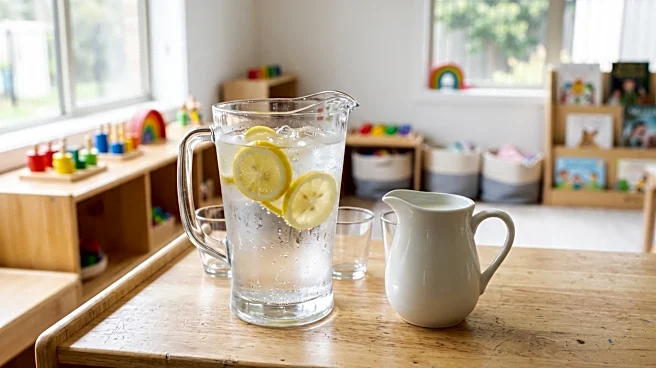
heating, active play, and illness, even when the weather is cold. Dry indoor air and heated spaces contribute to moisture loss, and children may not feel thirsty as readily in cooler temperatures. The guidance emphasizes the importance of establishing age-appropriate routines for water breaks, making water readily available, and responding to individual needs. Water and plain milk are recommended as primary drinks for young children, with breast milk or formula remaining essential for infants. Providers are encouraged to integrate hydration into daily routines, such as during transitions, meals, and before and after outdoor play, to ensure consistent fluid intake.
Why It's Important?
Maintaining adequate hydration in children during winter is vital for their overall health and well-being, impacting their ability to learn and play effectively. Dehydration can lead to reduced energy, irritability, and impaired bodily functions like digestion and temperature regulation. For child care centers, implementing consistent hydration practices can significantly reduce health risks among children, potentially decreasing instances of illness and discomfort. This focus on wellness also supports a more conducive learning environment, as well-hydrated children are better able to concentrate and participate in activities. The guidance helps providers avoid common mistakes, such as assuming dehydration is only a summer concern or relying solely on children to request water, thereby promoting proactive health management in early learning settings.
What's Next?
Child care providers are encouraged to review and integrate these hydration strategies into their daily routines and staff training. ChildCareEd offers various courses, including 'Nutrition Essentials for Child Care Providers' and 'Wellness in Action: Teaching Healthy Habits to Children,' to further strengthen providers' knowledge of children's nutritional and feeding needs. Directors are advised to make hydration a shared practice, ensuring staff are aware of clean cup locations, refill supplies, and child-specific care instructions. Ongoing communication with families regarding health guidance and any changes in a child's usual intake is also crucial. By consistently applying these practices, child care teams can help children build healthy habits and ensure their comfort and readiness to learn throughout the winter season.
Beyond the Headlines
The emphasis on winter hydration for children in child care settings highlights a broader understanding of pediatric health that extends beyond immediate symptoms. It underscores the subtle yet significant impact of environmental factors, such as dry indoor air, on children's physiological needs. This proactive approach to wellness reflects a shift towards preventative care in early childhood education, recognizing that consistent, seemingly minor habits like regular water intake contribute substantially to long-term health outcomes. The guidance also implicitly addresses the ethical responsibility of caregivers to anticipate and meet children's needs, especially when children may not be able to articulate their discomfort or thirst. This holistic view of child care integrates physical well-being with cognitive and emotional development, fostering a supportive environment for growth.