
What's Happening?
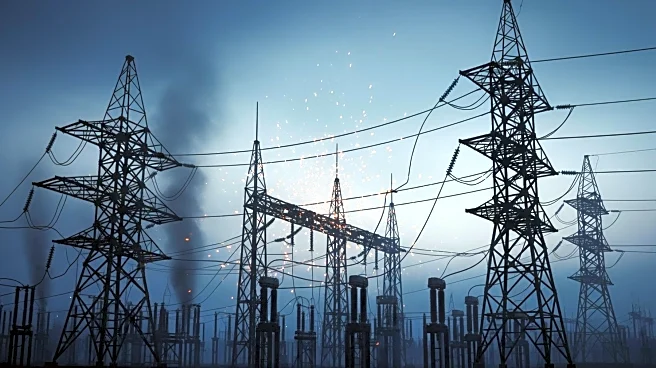
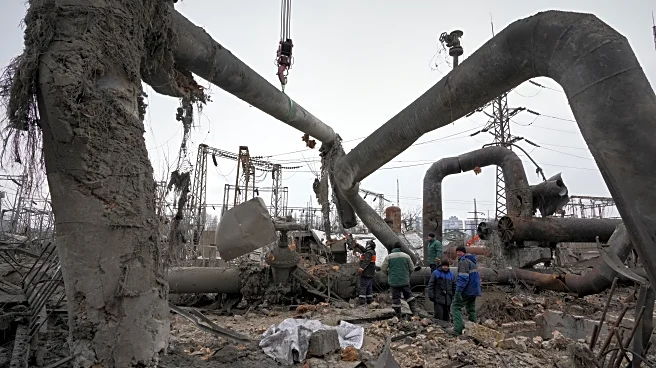
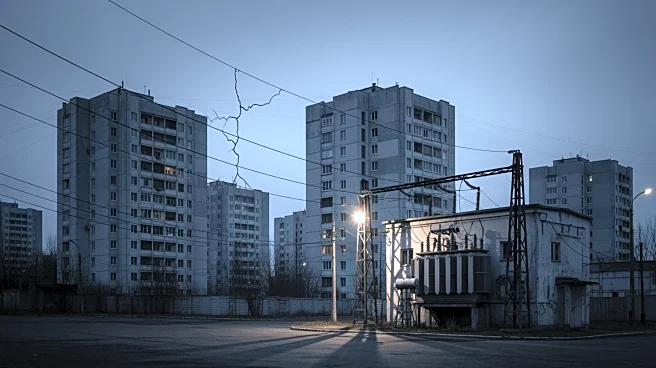
Ukraine is facing severe energy shortages as Russian attacks target its infrastructure, leaving millions without heating during sub-zero temperatures. The widespread reliance on Soviet-era central heating systems,
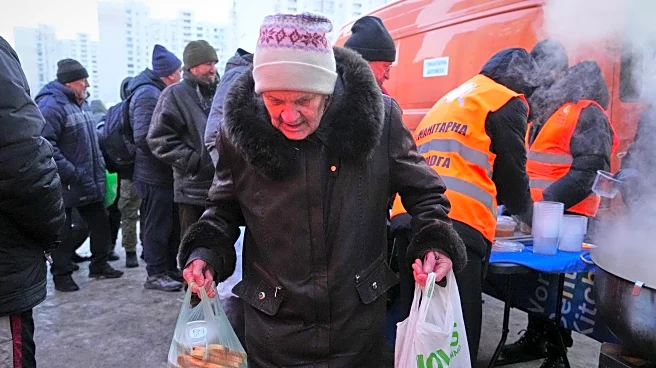
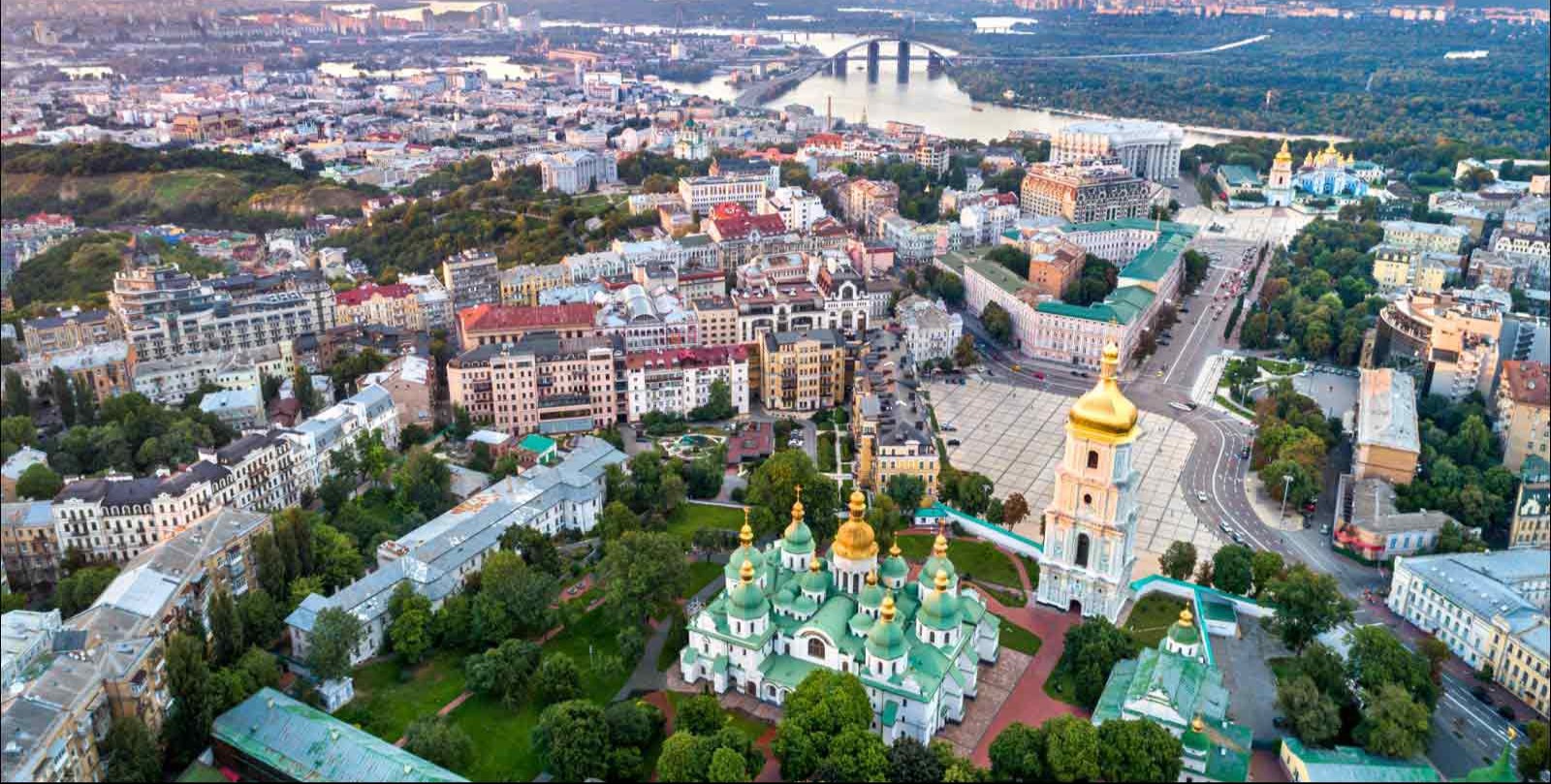
which are vulnerable to such attacks, has exacerbated the crisis. In cities like Kyiv and Zaporizhzhia, a significant portion of the population depends on these centralized systems, making them particularly susceptible to disruptions. The attacks have left thousands of apartment blocks without heating, forcing residents to endure harsh winter conditions.
Why It's Important?
The reliance on Soviet-era infrastructure highlights the vulnerabilities in Ukraine's energy system, which Russia is exploiting through targeted attacks. This situation underscores the need for Ukraine to modernize its energy infrastructure to reduce dependency on centralized systems. The humanitarian impact is significant, as millions of Ukrainians face harsh winter conditions without adequate heating. The ongoing conflict and energy crisis also have broader implications for regional stability and international relations, as they highlight the challenges in securing energy independence and resilience in conflict zones.
Beyond the Headlines
The current crisis may prompt Ukraine to accelerate efforts to modernize its energy infrastructure, potentially seeking international assistance and investment. The situation also raises questions about the long-term sustainability of centralized heating systems in urban areas, particularly in regions prone to conflict. Additionally, the crisis highlights the broader geopolitical implications of energy security, as countries may need to reassess their energy strategies in light of potential vulnerabilities.