
What's Happening?
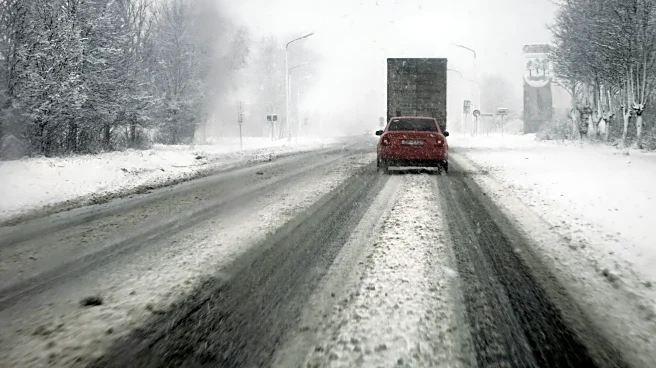
A significant winter storm, named Winter Storm Fern, is expected to impact the East Coast, bringing record snowfall to the Mid-Atlantic and Northeast, and dangerous ice conditions to the South. This weather
event is set to affect over 200 million people and poses a challenge for employers who must revisit their remote work and time-off policies. According to a survey by Fusion Risk Management, many organizations are unprepared for such emergencies, with only 76% of American employers having a written emergency plan. The Fair Labor Standards Act requires non-exempt employees to be paid for all hours worked, even if they work remotely due to site closures. Employers must also comply with state wage and hour laws, which may offer more protections than federal law. The storm highlights the need for businesses to have robust emergency plans to minimize disruptions and ensure employee safety.
Why It's Important?
The impending storm underscores the critical need for businesses to have comprehensive emergency preparedness plans. With the potential for significant disruptions, companies must balance operational needs with employee safety and morale. The storm could lead to increased workplace accidents, particularly in industries like construction and transportation, where icy conditions are prevalent. Employers must conduct hazard assessments and ensure appropriate safety measures are in place. Additionally, the storm presents an opportunity for HR leaders to demonstrate empathy and support for employees facing personal challenges, such as power outages and property damage. Effective communication and flexibility in policies, such as allowing the use of paid time off during weather events, can help maintain employee morale and trust.
What's Next?
As the storm approaches, businesses will need to make critical decisions regarding closures and remote work arrangements. Employers should communicate their crisis plans clearly and ensure employees have access to necessary resources. Legal counsel may be needed to navigate complex wage and hour laws. In the aftermath, companies will need to assess the impact on operations and employee well-being, potentially leading to revisions in emergency preparedness strategies. The storm may also prompt broader discussions on the need for infrastructure improvements in regions unaccustomed to severe winter weather.