
What's Happening?
Residents in Victoria, Australia, are being warned to prepare for potential property loss as the region faces extreme heatwave conditions, with temperatures expected to reach record highs. The state has
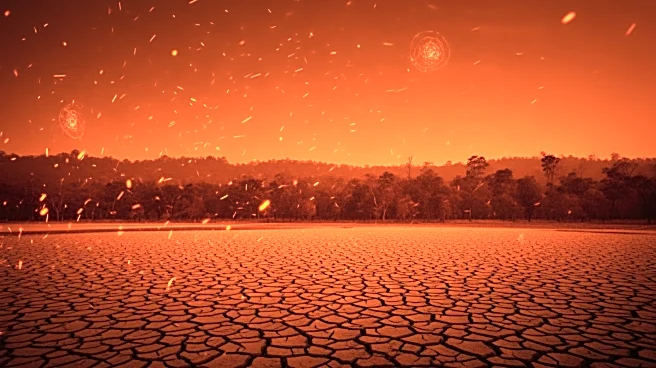
implemented a total fire ban, and all regions have been given a 'catastrophic' or 'extreme' fire danger rating. A significant bushfire near Longwood has already burned through nearly 36,000 hectares, destroying at least 20 homes. Authorities are particularly concerned about the safety of three individuals who remain unaccounted for in the area. The fire conditions are exacerbated by strong winds and high temperatures, with similar threats present in South Australia.
Why It's Important?
The severe bushfire threat in Victoria underscores the increasing frequency and intensity of natural disasters linked to climate change. The potential for significant property loss and the threat to human life highlight the urgent need for effective emergency response and preparedness strategies. The situation also raises concerns about the long-term impacts on communities, infrastructure, and the environment. As climate conditions continue to change, regions like Victoria may face more frequent and severe fire seasons, necessitating adaptations in policy and community planning.
What's Next?
Authorities are focused on containing the fires and ensuring the safety of residents, with emergency services on high alert. The situation is dynamic, with the potential for new fires to emerge as conditions remain extreme. In the longer term, there may be increased calls for policy changes to address climate resilience and disaster preparedness. The experiences of affected communities could inform future strategies for managing and mitigating the impacts of extreme weather events.