


What's Happening?
China, the world's largest oil importer, is currently shielded from the immediate impacts of U.S. sanctions on Venezuelan oil due to a combination of factors. Despite the U.S. seizing a Venezuelan tanker and imposing new sanctions, China has a substantial
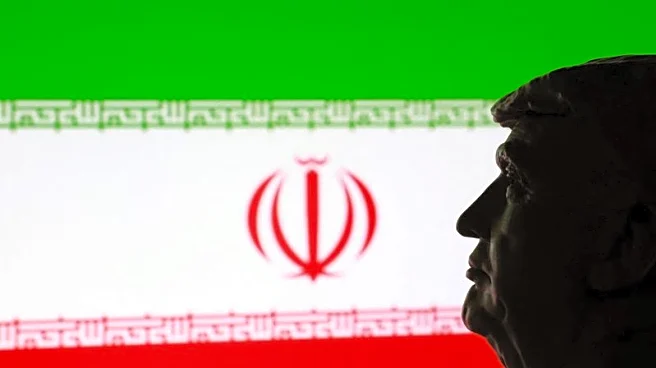
volume of Venezuelan oil already en route, along with a glut of crude in storage. Venezuelan oil accounts for only about 4% of China's total crude imports, and the country has been receiving increased shipments from other sanctioned producers like Russia and Iran. Analysts predict that the impact of the U.S. actions will be more noticeable in February, as current shipments continue to arrive.
Why It's Important?
The situation underscores China's strategic positioning in the global oil market, where it can leverage diverse sources to mitigate supply disruptions. The ability to maintain a steady oil supply despite geopolitical tensions highlights China's resilience and the complexity of international oil trade. The sanctions on Venezuela could lead to shifts in global oil flows, affecting prices and availability in other regions. For the U.S., these actions are part of broader efforts to exert pressure on Venezuela, but they also risk straining relations with major oil-importing nations like China.
What's Next?
China is likely to continue diversifying its oil sources to hedge against geopolitical risks. The U.S. may pursue further sanctions or seizures, potentially escalating tensions. The global oil market will need to adjust to these dynamics, with potential impacts on prices and supply chains. Observers will be watching for any changes in China's purchasing patterns and how other countries respond to the evolving situation.