





What's Happening?
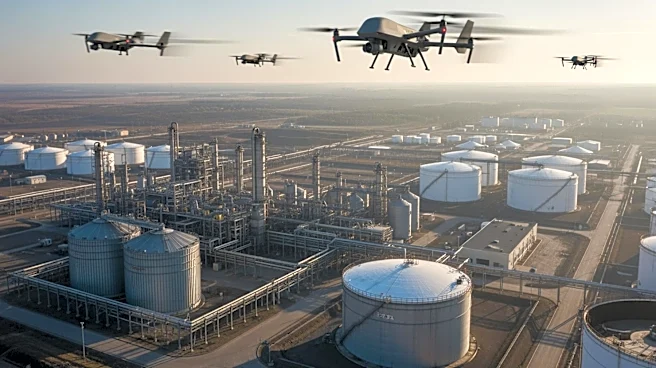
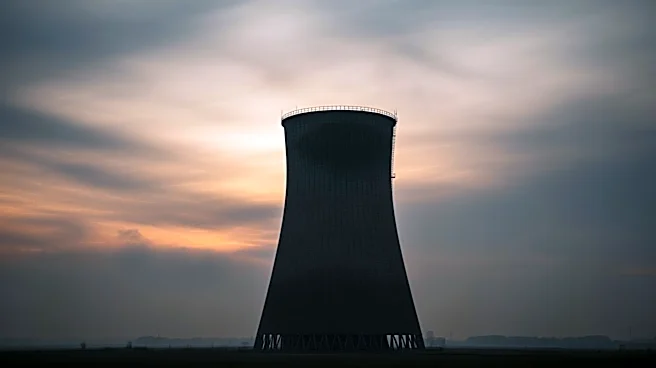
The International Atomic Energy Agency (IAEA) has reported that the Zaporizhzhia nuclear power plant in southeastern Ukraine is facing significant safety risks. The plant, which is Europe's largest nuclear facility, has been relying on a single off-site
backup power line for over seven weeks. This situation arose after the main power line was disconnected on March 24, leading to three total losses of off-site power when the backup line was also disconnected. The plant has been under Russian military occupation since 2022, and the IAEA is currently negotiating with Ukraine and Russia to secure a temporary localized ceasefire to allow for essential repairs to the power infrastructure. The ongoing conflict in the region continues to pose a threat not only to Ukraine but also to global nuclear safety.
Why It's Important?
The safety of the Zaporizhzhia nuclear power plant is of international concern due to its size and the potential consequences of a nuclear incident. The plant's reliance on a single backup power line increases the risk of a nuclear accident, which could have catastrophic effects on the environment and human health. The situation underscores the broader risks associated with military conflicts near nuclear facilities. The IAEA's involvement highlights the need for international cooperation to ensure nuclear safety and prevent potential disasters. The ongoing occupation of the plant by Russian forces complicates efforts to secure and maintain the facility, raising concerns about the long-term stability and safety of nuclear operations in conflict zones.
What's Next?
The IAEA is continuing its negotiations with both Ukraine and Russia to establish a temporary ceasefire that would allow for necessary repairs to the power infrastructure at the Zaporizhzhia plant. The outcome of these negotiations will be crucial in determining the plant's future safety and operational stability. Additionally, the international community is likely to increase pressure on both parties to prioritize nuclear safety and prevent any escalation that could lead to a nuclear incident. Monitoring and diplomatic efforts will be essential in ensuring that the plant remains secure and that any potential risks are mitigated.
Beyond the Headlines
The situation at the Zaporizhzhia nuclear plant highlights the broader implications of military conflicts on critical infrastructure. The occupation of the plant by Russian forces not only poses immediate safety risks but also raises questions about the long-term governance and management of nuclear facilities in conflict zones. The potential for a nuclear incident in such a volatile environment underscores the need for robust international frameworks to address the safety and security of nuclear installations during armed conflicts. This situation may prompt a reevaluation of existing protocols and the development of new strategies to safeguard nuclear facilities in similar contexts.