






What's Happening?
Ghana's Minerals Commission has issued a directive requiring foreign mining companies to transition their operations to local contractors by December 2026. This move is part of Ghana's broader strategy to increase local participation in its gold sector,
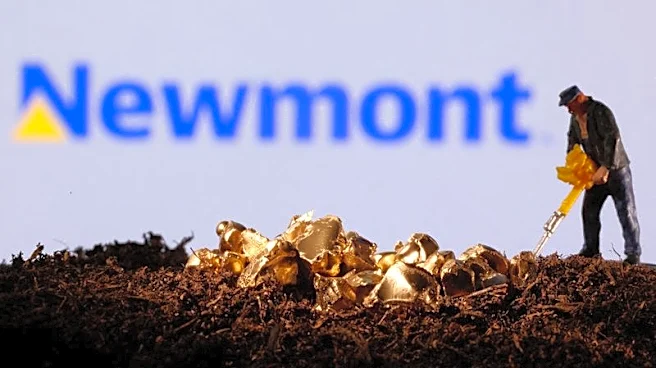
which is the largest in Africa. The policy mandates that surface mining be conducted by companies fully owned by Ghanaian citizens, while underground operations must have at least 50% local ownership. Major operators like Newmont, AngloGold Ashanti, and Zijin Mining are among the last firms still operating with their own workforce. The directive follows reforms introduced in January 2025, aimed at prioritizing Ghanaian ownership in mining operations.
Why It's Important?
The directive is significant as it reflects a growing trend among African nations to tighten control over their natural resources amid rising global commodity prices. By increasing local ownership, Ghana aims to ensure that more of the economic benefits from its gold sector remain within the country. This policy could lead to increased job opportunities and economic growth for Ghanaian citizens. However, it also poses challenges for foreign companies that must navigate the transition process, potentially affecting their operations and profitability. The move could influence other African countries to adopt similar policies, reshaping the continent's mining industry.
What's Next?
Foreign mining companies operating in Ghana will need to comply with the new regulations by the December 2026 deadline or face potential sanctions. This transition will require significant adjustments in their operational strategies, including forming partnerships with local firms and restructuring their workforce. The Ghanaian government may continue to monitor and enforce compliance, potentially leading to further policy developments in the sector. The outcome of this directive could impact foreign investment in Ghana's mining industry, depending on how smoothly the transition is managed.