







What's Happening?
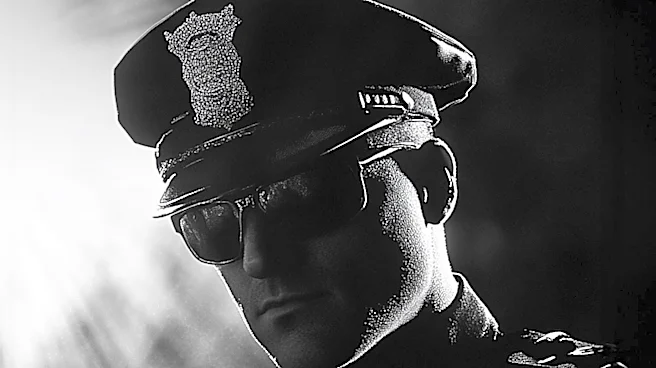
Filmmaker Emunah La-Paz has discussed her documentary, 'Black Men in Uniform: The Untold Story,' which explores Black military history by focusing on service, resilience, and achievement, rather than solely on suffering. La-Paz emphasizes presenting a fuller
context of Black American contributions beyond the Civil War, highlighting how Black servicemen continued to build, serve, and contribute to the country despite facing discrimination. The documentary integrates archival material, oral histories, and digital imagery with a contemporary, vignette-driven rhythm to engage modern audiences. La-Paz's approach aims to balance historical honesty with preserving the dignity and humanity of the individuals depicted, avoiding the repeated exposure to traumatic imagery for emotional impact. She also discusses how her experience with TikTok's 2023 Short Film Competition, connected with the Festival de Cannes, influenced her understanding of faster, yet meaningful, storytelling for younger generations. The film extends beyond military history to include figures like Jack Johnson and Jackie Robinson, illustrating the interconnectedness of military service with sports, culture, and broader American society.
Why It's Important?
This documentary is important because it recontextualizes a significant aspect of U.S. history, offering a more comprehensive narrative of Black Americans' contributions. By moving beyond a sole focus on suffering, it challenges traditional historical presentations that can inadvertently perpetuate harmful stereotypes or limit understanding of a community's full experience. The film's innovative storytelling techniques, influenced by modern digital platforms, are crucial for engaging younger audiences with historical content, making complex narratives accessible and relatable. This approach can foster a deeper appreciation for the resilience and achievements of Black servicemen and cultural figures, promoting a more inclusive understanding of American identity. Furthermore, by connecting military service with broader cultural and societal developments, the documentary underscores the pervasive impact of Black Americans on various facets of U.S. life, encouraging a more nuanced and integrated view of history. The film's distribution through streaming and libraries, including in the United Kingdom, also broadens its reach, allowing a wider audience to engage with these vital stories.
What's Next?
Emunah La-Paz's documentary, 'Black Men in Uniform: The Untold Story,' is currently reaching audiences through streaming platforms and Biblio+, including library audiences and viewers in the United Kingdom. La-Paz hopes that the film's international reach will highlight the universal themes of service, sacrifice, discrimination, and resilience. There is also interest in expanding 'Black Men in Uniform' into a series, which La-Paz envisions as a collection of cinematic films with emotional intimacy, allowing for a more in-depth exploration of the lives of the servicemen. Her next documentary project, 'Born Sexy Yesterday: Decoding the Enigma of Beauty,' will delve into a different subject area concerning women, beauty, resilience, and social issues. Beyond documentary filmmaking, La-Paz aims to transition into creating cinematic films and series based on her historical research, collaborating with experienced filmmakers to bring these stories to life with a feature film quality.
Beyond the Headlines
The documentary 'Black Men in Uniform: The Untold Story' delves into deeper implications by addressing the ethical responsibility of historical representation. La-Paz consciously navigates the presentation of painful history, ensuring that suffering does not become the sole defining image of a people. This approach challenges the common pitfall of historical narratives that can inadvertently reduce individuals to victims, instead emphasizing their agency, courage, and multifaceted humanity. The film's use of digital imagery to visualize historical moments where photographic records are absent, while maintaining dignity, highlights a critical ethical consideration in historical filmmaking: how to represent the past accurately and respectfully when traditional sources are limited. Furthermore, La-Paz's intention to encourage audiences to consider their own choices in the present, rather than assigning blame for the past, fosters a constructive engagement with history. This promotes a long-term shift towards understanding history as a catalyst for personal and societal integrity, encouraging individuals to act on principles of equality and justice in their own time.