


What's Happening?
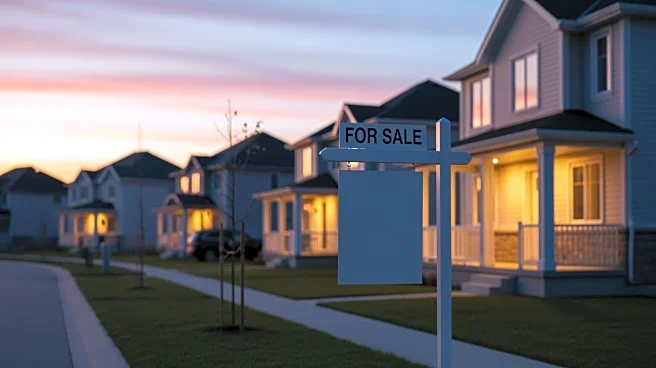
Homeowners across the United States are facing increasing financial pressure due to rising Homeowners Association (HOA) fees. These fees, which cover the maintenance of community spaces and amenities, have been climbing faster than inflation, adding to the already
high costs of homeownership. According to Realtor.com, the average monthly HOA fee reached $135 in 2025, marking an 8% increase from the previous year. In more expensive markets, such as Miami, these fees can exceed $1,000 per month. The increase in fees is partly attributed to new regulatory requirements following the Surfside Champlain Towers South collapse, which mandate structural inspections and reserve studies. These regulations have forced many aging buildings to address deferred maintenance, further driving up costs for homeowners.
Why It's Important?
The rise in HOA fees is significant as it adds another layer of financial burden on homeowners, particularly in high-cost areas. This trend exacerbates the affordable housing crisis by making it more difficult for potential buyers to afford homes, as they must now account for these additional costs on top of high home prices and mortgage rates. The financial strain is particularly acute in cities like Miami, where luxury high-rises and condominiums dominate the market. The situation highlights the broader challenges facing the housing market, where regulatory changes, maintenance needs, and market dynamics intersect to impact affordability. Homeowners and prospective buyers must navigate these complexities, which could influence housing market trends and policy discussions.
What's Next?
As HOA fees continue to rise, homeowners may seek ways to mitigate these costs, such as advocating for changes within their associations or exploring alternative housing options. Policymakers might also face increased pressure to address the affordability crisis by considering measures that could alleviate the financial burden on homeowners. This could include revisiting regulatory requirements or providing financial assistance for necessary building maintenance. The ongoing negotiations in Congress over a federal housing bill could also play a role in shaping future housing policies, potentially offering solutions to the affordability challenges exacerbated by rising HOA fees.