



What's Happening?
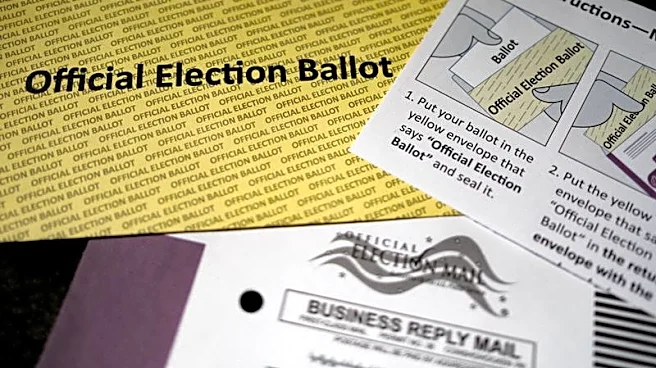
Congressman Lou Correa, a Democratic representative, has commented on a recent interim decision by the Supreme Court regarding mail-in voting. According to Correa, the Supreme Court's ruling provided President Trump with an interim win on the issue, though
he noted that the legal battle is far from over. Correa emphasized the importance of clarity for American citizens regarding how their votes will be counted. This statement comes as discussions around voting rights and election integrity continue to be prominent, particularly concerning the methods of casting and counting ballots. The Supreme Court's involvement in such matters highlights the ongoing legal and political scrutiny surrounding electoral processes in the United States.
Why It's Important?
This development is important because it directly impacts the integrity and accessibility of the U.S. electoral system. Mail-in voting has become a significant point of contention, with debates centering on security, convenience, and potential for fraud. A Supreme Court decision, even an interim one, can set precedents or influence public perception regarding the legitimacy of election outcomes. For voters, clarity on voting procedures is paramount to ensure confidence in the democratic process. The ongoing legal challenges and political discourse surrounding mail-in voting underscore the deep divisions and concerns about how elections are conducted, potentially affecting voter turnout and trust in governmental institutions. The outcome of these legal fights will shape future election administration policies.
What's Next?
Given that Congressman Correa stated the legal fight is 'far from over,' it is highly probable that further legal challenges and appeals regarding mail-in voting will continue. Political leaders, advocacy groups, and election officials will likely monitor these developments closely and potentially adjust their strategies for upcoming elections. The Supreme Court may issue further rulings or clarifications on the matter, which could significantly alter how states manage their voting processes. Public discourse on voting rights and election security is also expected to intensify, with various stakeholders advocating for their preferred methods and safeguards. The ultimate resolution of these legal battles will have lasting implications for the future of U.S. elections.
Beyond the Headlines
Beyond the immediate legal implications, the debate over mail-in voting touches upon fundamental questions of democratic participation and the balance of power. The differing views on mail-in voting often reflect broader ideological divides concerning government's role in facilitating access versus ensuring security. This issue also highlights the evolving nature of election administration in response to technological advancements and societal changes. The Supreme Court's involvement underscores the judiciary's critical role in interpreting election laws and safeguarding constitutional rights, often placing it at the center of highly politicized debates. The long-term impact could include a re-evaluation of federal and state election laws, potentially leading to significant reforms in how Americans cast their ballots and how those ballots are counted.