




What's Happening?
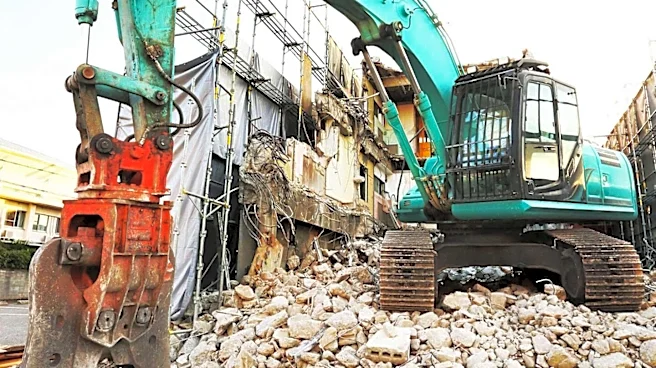
Crews have successfully completed the demolition of Isotope Row at Oak Ridge National Laboratory (ORNL), a significant milestone in the ongoing environmental cleanup of the site. The structures, built between the 1940s and 1960s, were historically used
for the research and production of isotopes for medical, industrial, and national defense purposes, with operations ceasing in the 1990s. The demolition, which began in September of this year, culminates efforts that started in earnest in 2020 by United Cleanup Oak Ridge (UCOR) in collaboration with the DOE’s Office of Science, the Oak Ridge Office of Environmental Management (OREM), and UT-Battelle. Preparatory work involved addressing utility infrastructure, combustible materials, contaminated structures like gloveboxes and hot cells, and hazardous waste, including asbestos-containing materials. A notable challenge was the removal of an overhead ventilation system constructed with asbestos-blended concrete. Approximately 12,000 square feet of buildings were torn down, with most debris disposed of on-site. The completion of this demolition was achieved ahead of the previously estimated 2027 timeline.
Why It's Important?
The completion of Isotope Row's demolition is a critical step in the remediation and redevelopment of the Oak Ridge Reservation, a site with a complex history of nuclear research and production. This achievement signifies progress in mitigating environmental hazards associated with decades of isotope production, including radioactive and hazardous waste. By clearing these contaminated structures, the Department of Energy (DOE) is making the land safe for future use, specifically planning to repurpose the space for new research missions. This not only addresses historical environmental liabilities but also supports the advancement of scientific endeavors. The project's success demonstrates effective collaboration between government agencies and contractors in tackling complex environmental cleanup challenges. Furthermore, completing the demolition ahead of schedule highlights efficient project management and execution, potentially setting a precedent for other ongoing cleanup efforts at sites like the Y-12 National Security Complex within the Oak Ridge Reservation.
What's Next?
With the demolition of Isotope Row complete, the immediate next steps involve continued site remediation and preparation of the land for its intended future use. The DOE plans to repurpose the cleared space for future research missions, indicating a strategic investment in scientific advancement at ORNL. This will likely involve further environmental assessments and potentially new construction to support modern research facilities. The successful and ahead-of-schedule completion of this phase may accelerate other cleanup efforts within the Oak Ridge Reservation, particularly at the Y-12 National Security Complex, which still requires years of environmental remediation. The DOE's broader strategy includes redeveloping cleaned-up areas for industrial use, as seen with the East Tennessee Technology Park under its American Energy Hub initiative. This suggests a continued focus on transforming former nuclear sites into productive assets for national scientific and economic development.
Beyond the Headlines
The demolition of Isotope Row represents more than just physical removal of old buildings; it symbolizes a broader national effort to address the legacy of the Cold War era's nuclear programs. The cleanup of sites like Oak Ridge involves complex ethical considerations regarding environmental stewardship, public health, and the responsible management of hazardous materials generated by historical scientific pursuits. The challenges encountered, such as asbestos-blended concrete, highlight the long-term consequences of past industrial practices and the continuous need for innovative solutions in environmental remediation. This project also underscores the economic impact of such cleanups, creating jobs and fostering specialized expertise in hazardous waste management. Long-term, the repurposing of these sites for new research missions signifies a commitment to leveraging historical scientific infrastructure for future innovation, transforming a legacy of contamination into a foundation for new discoveries and technological advancements, while also ensuring the safety and well-being of surrounding communities.