






What's Happening?
The U.S. government has introduced a new visa restriction policy under the Immigration and Nationality Act aimed at dismantling overseas criminal networks. This policy targets individuals involved in cybercrime and their immediate family members. Secretary
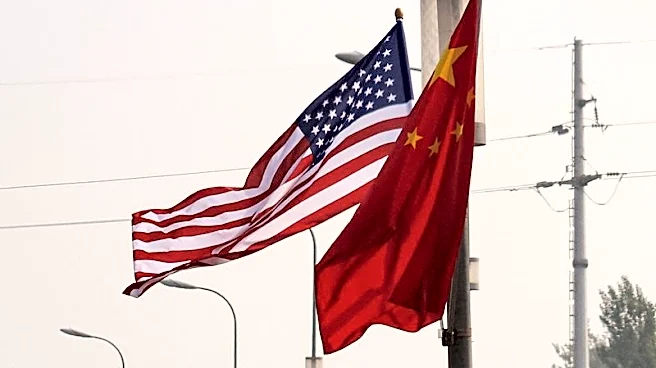
of State Marco Rubio announced that the policy is part of a broader effort to combat cyber-enabled fraud and extortion schemes that have defrauded Americans of billions of dollars. The initiative builds on President Trump's executive order prioritizing the prosecution of such crimes. The policy specifically targets Chinese criminal organizations involved in scams that have significantly impacted American families.
Why It's Important?
The introduction of these visa restrictions is a critical step in protecting American citizens from international cybercrime. By targeting those involved in these criminal activities, the U.S. aims to reduce the financial and emotional toll on its citizens. The policy also serves as a warning to countries that tolerate such activities, potentially leading to diplomatic tensions. This move underscores the U.S. commitment to using all available tools, including sanctions and international cooperation, to combat transnational crime and protect its citizens.
What's Next?
The U.S. government is expected to continue its efforts to dismantle criminal networks through further sanctions, prosecutions, and international collaborations. The effectiveness of these measures will likely be monitored closely, with potential adjustments to the policy as needed. Additionally, there may be increased diplomatic efforts to encourage other nations to cooperate in combating these criminal activities. The impact of these restrictions on international relations and global cybercrime trends will be an area of ongoing observation.