






What's Happening?
Nashville Mayor Freddie O’Connell has launched PowerBack Nashville, a new pilot program designed to help low-income residents reduce their energy costs. This initiative is a collaborative effort involving Metro Nashville, CLEAResult, Tennessee Valley
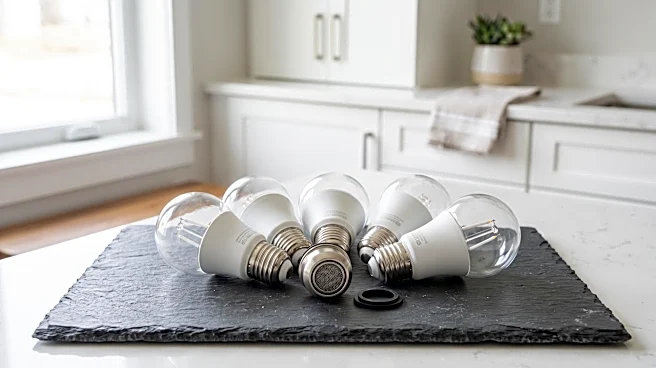
Authority (TVA), Rebuilding Together Nashville, and United Way of Greater Nashville. The program specifically targets households that sustained damage during Winter Storm Fern. PowerBack Nashville will offer free home improvements to selected low-income households, aiming to enhance home safety, comfort, and resilience against future extreme weather events. Up to 100 households will receive a professional home energy assessment, energy-saving items like LED light bulbs and faucet aerators, and information on additional resources. Among these, 25 to 30 homes will benefit from a comprehensive package of no-cost insulation, air sealing, HVAC services, and duct cleaning. This program is the latest effort by the Mayor’s Office Innovation Team (i-team) to develop solutions for lowering energy costs for residents.
Why It's Important?
This pilot program is crucial for addressing the immediate and long-term needs of vulnerable Nashville residents, particularly those impacted by severe weather events like Winter Storm Fern. By providing free home improvements and energy-saving measures, PowerBack Nashville directly tackles energy poverty, a significant issue for low-income households. Lower energy bills mean families can better afford to stay in their homes, contributing to housing stability and generational wealth building through property retention. The initiative also enhances community resilience by making homes safer and more prepared for future extreme weather, reducing the burden on emergency services and public resources during crises. Furthermore, the program's focus on energy efficiency contributes to broader environmental goals by reducing energy consumption and carbon emissions, aligning with sustainable urban development objectives. This collaborative model involving government, non-profits, and utility providers could serve as a blueprint for other cities facing similar challenges.
What's Next?
Residents interested in participating in PowerBack Nashville can apply by filling out the provided form. The program aims to serve up to 100 households, with 25 to 30 receiving extensive home improvement packages. The Mayor’s Office Innovation Team will continue to monitor the program's effectiveness and gather feedback from participating households. Success in this pilot could lead to the expansion of PowerBack Nashville or the development of similar initiatives to address energy costs and home resilience across a wider segment of the population. The collaboration between Metro Nashville, CLEAResult, TVA, Rebuilding Together Nashville, and United Way of Greater Nashville is expected to continue, potentially fostering more partnerships for community benefit. The program's impact on energy savings and household comfort will be assessed to inform future policy and resource allocation decisions.
Beyond the Headlines
The PowerBack Nashville program highlights a growing recognition of the interconnectedness between climate resilience, social equity, and economic stability. Extreme weather events, exacerbated by climate change, disproportionately affect low-income communities, leading to higher energy burdens and increased vulnerability. This initiative moves beyond reactive disaster response to proactive community building, integrating energy efficiency with social welfare. It underscores the ethical imperative for local governments and partner organizations to protect their most vulnerable citizens from the impacts of environmental shifts. The program also subtly promotes a cultural shift towards sustainable living by educating residents on energy-saving practices and providing the means to implement them. This holistic approach, combining immediate relief with long-term structural improvements, sets a precedent for how cities can address complex challenges at the intersection of environmental justice and urban development.