




What's Happening?
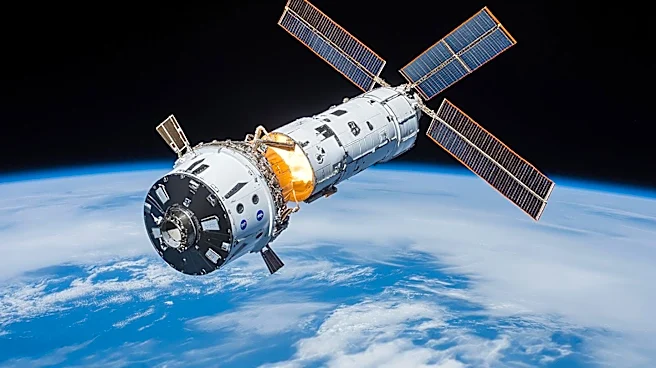
The satellite propulsion market is experiencing growth driven by military demand for dynamic space operations. Startups and established manufacturers are developing propulsion systems that allow small satellites to change orbits and respond to space conditions.
The Space Force is exploring how frequently satellites should maneuver and which missions would benefit. The trend is linked to the military's use of smaller satellites, with propulsion systems designed for routine station-keeping and minor maneuvers. Companies are investing in various propulsion technologies, including hybrid systems, to meet these needs.
Why It's Important?
The increasing importance of propulsion in the satellite market reflects a strategic shift towards more agile and responsive space operations. This capability is crucial for military applications, where the ability to maneuver satellites can enhance operational flexibility and survivability in conflict scenarios. The development of advanced propulsion systems also has implications for commercial space ventures, as it could lead to more efficient and versatile satellite constellations. The competitive landscape is shaped by the Space Force's interest in dynamic operations and dual-use applications, driving innovation and investment in the sector.
What's Next?
As the market evolves, the Space Force will continue to refine its requirements for dynamic space operations and test various propulsion systems. The private sector is expected to offer a range of solutions, with companies positioning themselves for potential government and commercial contracts. The success of these initiatives could lead to the widespread adoption of maneuverable satellites, transforming how space missions are conducted. The ongoing development and testing of propulsion technologies will be critical in determining the future capabilities of military and commercial satellite networks.