








What's Happening?
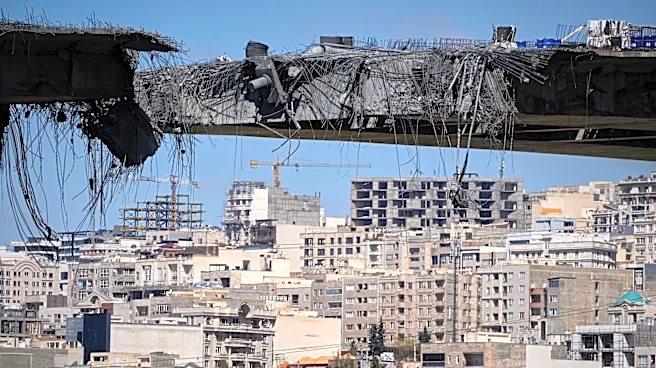
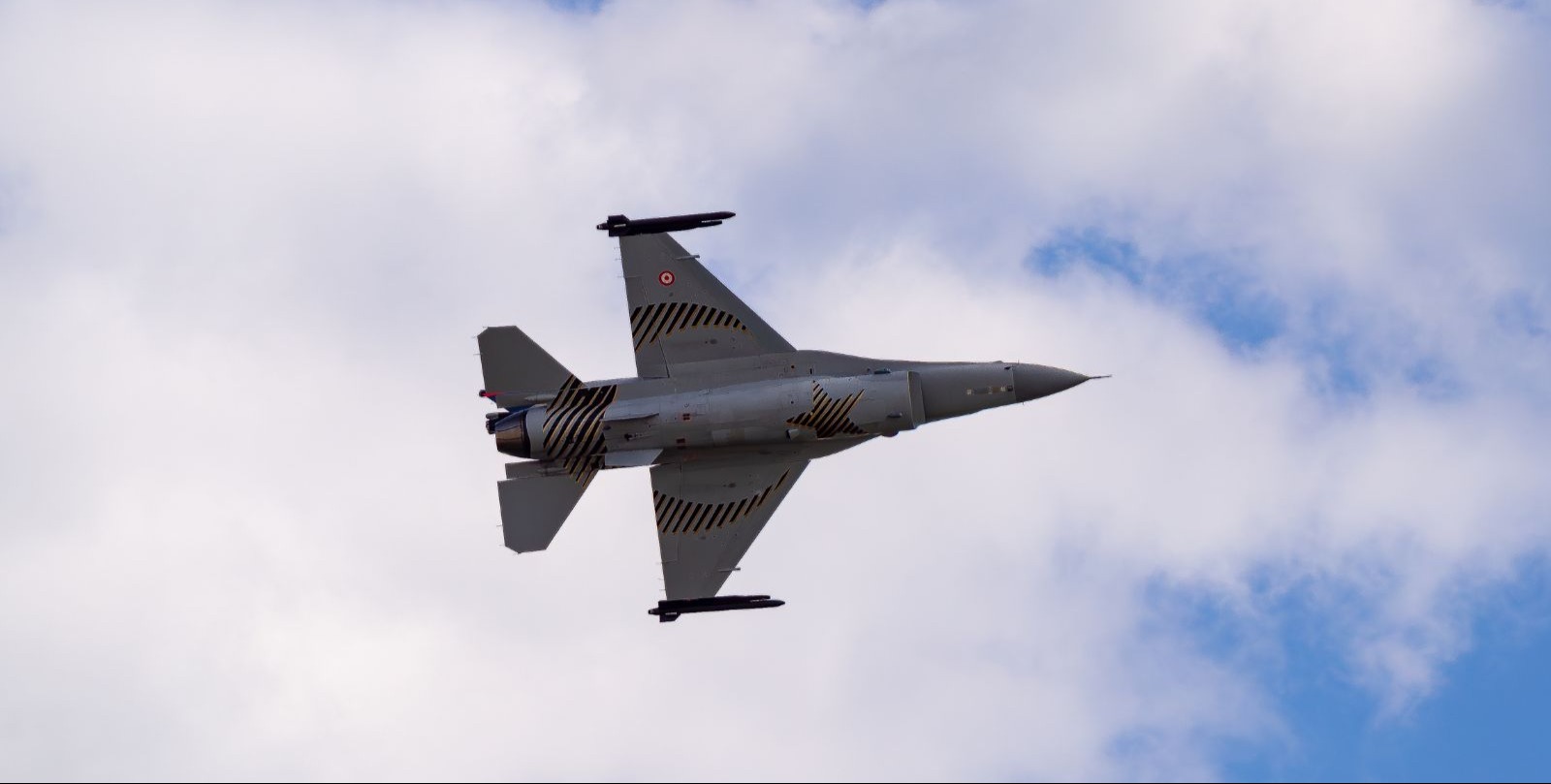
The ongoing conflict between the U.S. and Iran is significantly affecting construction projects in the Middle East, particularly in terms of procurement, scheduling, cash flow, and claims. The Strait of Hormuz, a critical shipping route, is central to
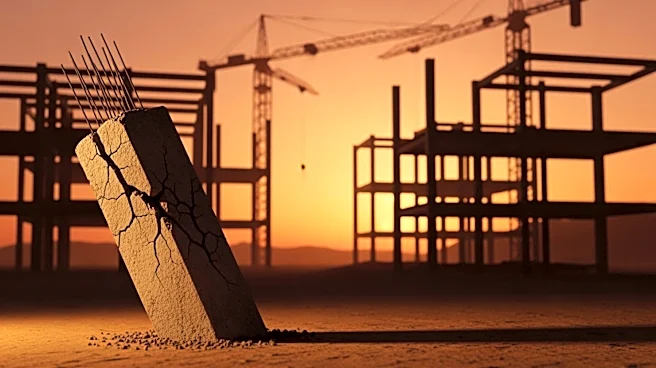
these disruptions, impacting freight, insurance, fuel supplies, and shipping schedules. The conflict has led to increased costs and delays in construction projects, with many companies facing challenges due to shipping disruptions and war-risk premiums. These issues are compounded by existing pressures in the Middle East construction market, which was already experiencing high activity levels and cost pressures before the conflict escalated.
Why It's Important?
The disruptions caused by the U.S.-Iran conflict have significant implications for the construction industry in the Middle East, which relies heavily on imported materials and cross-border logistics. The increased costs and delays could lead to a rise in construction disputes, many of which may end up in arbitration. This situation poses risks for contractors, developers, and suppliers, who must navigate complex contractual obligations and potential legal challenges. The conflict also highlights the vulnerability of global supply chains to geopolitical tensions, which can have far-reaching effects on industries reliant on international trade and logistics.
What's Next?
As the conflict continues, construction companies in the Middle East may need to review and adjust their contracts to account for force majeure, hardship, and other clauses that could impact their projects. Companies should also focus on maintaining accurate records and managing projects actively to protect their interests in potential arbitration disputes. The ongoing situation may lead to further disruptions and cost increases, prompting companies to seek strategic advice and explore alternative procurement routes and payment channels to mitigate risks.
Beyond the Headlines
The legal landscape for construction projects in the Middle East is complex, with many contracts governed by English law despite the region's civil law traditions. This complexity is exacerbated by the geopolitical tensions, which may lead to a reevaluation of risk allocation and contract terms in future projects. The situation underscores the importance of understanding the legal and contractual frameworks governing international construction projects, particularly in regions prone to geopolitical instability.