


What's Happening?
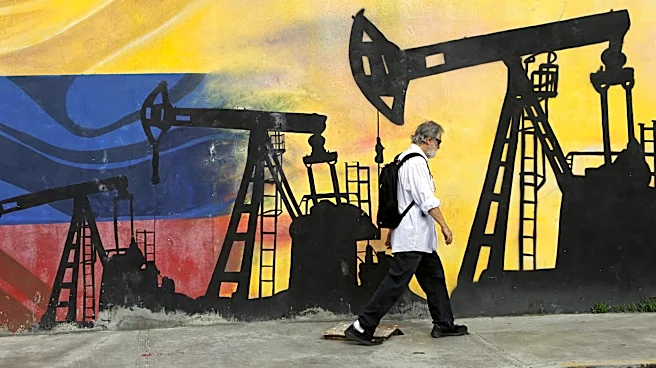
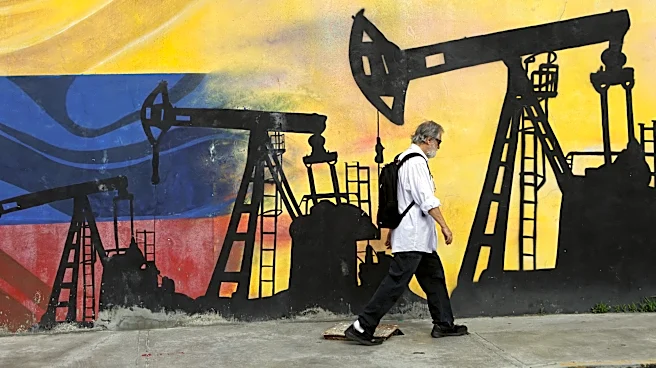
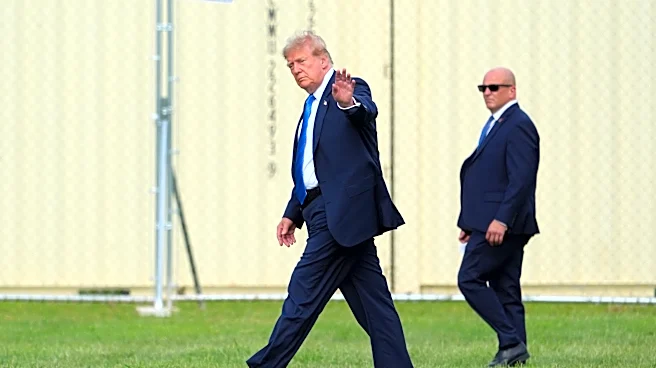
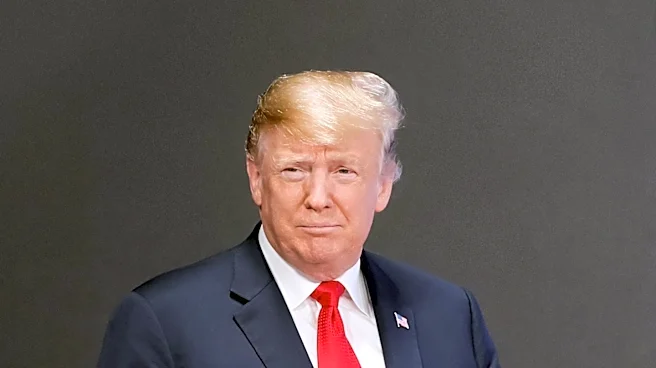
Fox News host Rachel Campos-Duffy, wife of Transportation Secretary Sean Duffy, publicly questioned President Trump's recently announced oil deal with Venezuela. President Trump declared on Friday that he had secured "THE BIGGEST OIL DEAL IN WORLD HISTORY"
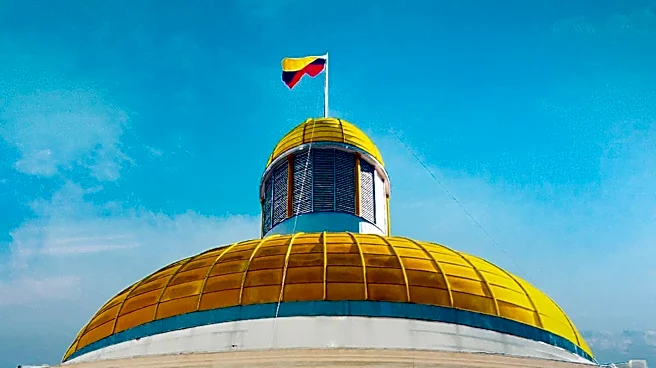
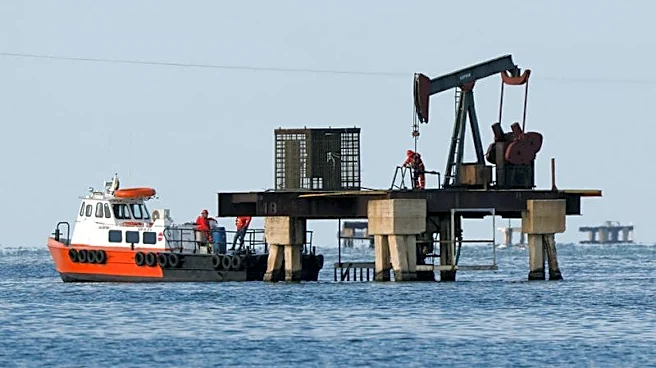
with Venezuela's acting President Delcy Rodríguez, which would grant the U.S. majority control over Venezuela's 65 billion barrels of proven oil reserves. This agreement has drawn criticism because Rodríguez was not elected by the Venezuelan people but was installed as interim president by President Trump after U.S. Special Forces reportedly abducted former dictator Nicolás Maduro in January. Campos-Duffy expressed her concern that the deal was made without elections in Venezuela, stating that she believed the primary purpose of removing Maduro was to liberate the Venezuelan people and allow for a proper transition. She noted that Venezuelans do not trust Rodríguez and that President Trump's motivations would be questioned until elections occur.
Why It's Important?
This public questioning by a prominent Fox News host, particularly one with direct ties to President Trump's administration through her husband, highlights potential divisions within conservative media and among President Trump's supporters regarding foreign policy decisions. The deal itself is significant as it involves the U.S. taking majority control of a substantial portion of Venezuela's oil reserves, a move that could reshape global energy markets and U.S. influence in Latin America. The criticism centers on the democratic legitimacy of the Venezuelan leadership involved in the deal, raising questions about the U.S.'s commitment to democratic principles versus its economic and strategic interests. The lack of transparency regarding the agreement's details and the swift change of stance by some GOP figures, like Rep. María Salazar, further underscore the controversial nature and potential political ramifications of this deal.
What's Next?
The immediate next steps will likely involve further scrutiny and debate over the specifics of the U.S.-Venezuela oil deal, especially given the lack of released details. President Trump's administration may face pressure to provide more information on how the arrangement will be established and who will be in charge. The international community, particularly in Latin America, will be closely watching for any developments regarding elections in Venezuela and the long-term implications of this agreement on the country's sovereignty and political future. Rachel Campos-Duffy's continued commentary, and that of other media figures, could influence public perception and potentially pressure the administration to address the concerns raised about democratic processes in Venezuela. The White House has not yet responded to requests for comment, and their eventual statement could clarify the administration's position and future actions.
Beyond the Headlines
The controversy surrounding President Trump's Venezuela oil deal extends beyond immediate political and economic considerations, touching upon deeper ethical and geopolitical implications. The U.S.'s role in installing an interim president and subsequently engaging in a major resource deal with that leader raises questions about interventionism and self-interest versus the stated goals of promoting democracy and human rights. The deal could set a precedent for how the U.S. interacts with resource-rich nations, particularly those with unstable political landscapes. Furthermore, the internal dissent from a Fox News personality, typically a strong supporter of President Trump, suggests a potential fracturing of the conservative base on issues of foreign policy and democratic values. This could lead to a re-evaluation of the U.S.'s approach to international relations and its commitment to upholding democratic norms globally, especially in regions historically sensitive to U.S. influence.