







What's Happening?
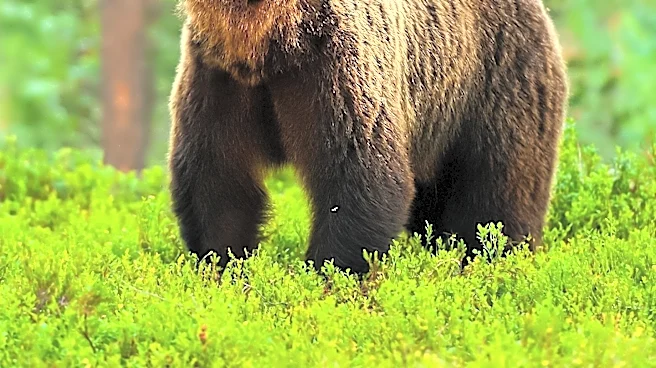
Colorado Parks and Wildlife (CPW) has issued a warning regarding an unprecedented increase in bear activity across the state. This surge is attributed to a statewide shortage of natural food sources, which is driving bears into residential areas in search
of sustenance. Travis Sauder, assistant wildlife manager with CPW, described the current situation as the 'worst food failure year that we’ve ever had,' noting that the shortage impacts much of Colorado and the wider Western region. Low snowpack and late-season freezes are identified as the primary causes, having damaged berry crops and other foods bears typically rely on before hibernation. Residents are urged to take preventative measures, such as securing trash and removing other potential attractants from their properties, to mitigate human-bear conflicts.
Why It's Important?
The heightened bear activity poses significant risks to both public safety and wildlife conservation efforts in Colorado. When bears habituate to human food sources, they can become more aggressive and dangerous, leading to increased encounters with residents. This situation often results in the euthanasia of bears deemed a threat, as evidenced by the 13 bears euthanized in southeastern Colorado last year following hundreds of reports. The long-term implications include a potential shift in bear behavior, making them less wary of humans and more reliant on urban environments for food. This disrupts natural ecological patterns and places a greater burden on wildlife management resources. For residents, the importance lies in understanding and implementing deterrents to protect their homes and families, while also contributing to the preservation of the bear population by preventing their reliance on human-provided food.
What's Next?
CPW officials will continue to monitor bear activity and respond to reports of conflicts. The immediate focus remains on educating the public about preventative measures, such as using air horns or bear spray and making properties less attractive to bears. As bears prepare for hibernation, the urgency of these actions will likely increase. In the longer term, wildlife managers may need to assess the impact of recurring environmental factors, like low snowpack and late freezes, on natural food sources and consider strategies to support bear populations through periods of scarcity. This could involve further public awareness campaigns, community-level initiatives for waste management, and potentially exploring habitat restoration efforts to bolster natural food availability.
Beyond the Headlines
The unprecedented bear activity highlights a broader ecological challenge driven by climate patterns and their impact on natural ecosystems. The 'worst food failure year' for bears underscores the fragility of wildlife populations when faced with significant environmental shifts. This situation raises questions about the long-term sustainability of wildlife in areas experiencing more frequent extreme weather events. It also brings to light the ethical considerations surrounding human-wildlife coexistence, particularly when human development encroaches on natural habitats. The need for proactive conservation strategies that address both immediate threats and underlying environmental changes becomes paramount. Furthermore, it emphasizes the critical role of public cooperation in mitigating conflicts and ensuring the survival of species like bears in a changing world.