





What's Happening?
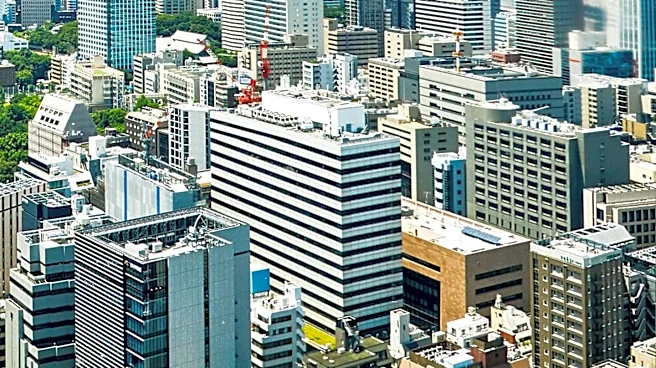
Tokyo, Japan, has reported an increase in its Japanese resident population for the third consecutive year, rising by 12,540, or 0.09%, to 13,293,851. This growth contrasts with the overall decline in Japan's population, which has fallen below 120 million.
The internal affairs ministry noted a decrease of 916,744 Japanese residents, marking the 17th consecutive year of decline. Meanwhile, the number of foreign residents in Japan has increased by 353,696, or 9.62%, reaching 4,031,159. This demographic shift is attributed to the end of the COVID-19 pandemic and increased immigration. Despite Tokyo's growth, the remaining 46 prefectures experienced population decreases, with Akita, Aomori, and Kochi seeing the most significant declines.
Why It's Important?
The population trends in Japan highlight significant challenges related to an aging population and declining birth rates. As the population decreases, there are concerns about the sustainability of economic growth and the ability to support an aging demographic. The increase in foreign residents suggests a potential shift towards more open immigration policies, which could help mitigate some of these challenges. However, the concentration of population growth in Tokyo raises issues of urban overcrowding and regional disparities. Policymakers may need to address these imbalances to ensure equitable development across the country.
What's Next?
Japan may need to consider further policy adjustments to address its demographic challenges. This could include incentivizing regional development to balance population distribution and revising immigration policies to attract more foreign workers. Additionally, there may be a need for increased investment in infrastructure and services to support an aging population. The government will likely continue to monitor these trends closely and may implement measures to encourage higher birth rates and support families.
Beyond the Headlines
The demographic changes in Japan could have long-term cultural and social implications. As the population becomes more diverse, there may be shifts in cultural norms and societal values. Additionally, the increasing reliance on foreign workers could lead to changes in labor market dynamics and economic policies. These developments may also influence Japan's international relations and its role in the global economy.