



What's Happening?
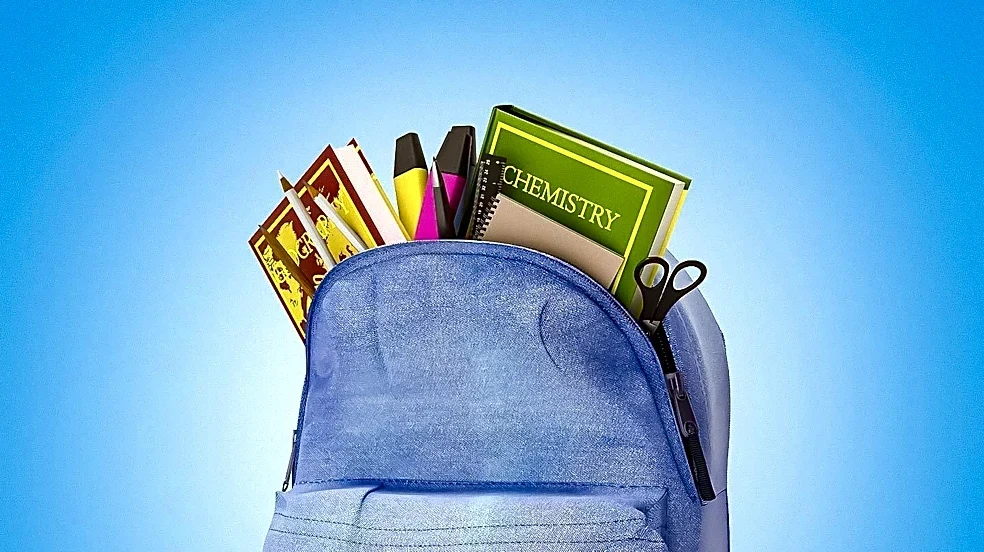
Annie McIntyre, a 16-year-old student from Scranton Preparatory School in Pennsylvania, initiated a community project called 'Build-a-Backpack.' This initiative successfully collected 60 backpacks filled with school supplies and hundreds of additional
stationery items. McIntyre distributed these supplies across seven schools in three school districts within Lackawanna County, specifically Dunmore, Riverside, and Scranton. Beyond providing essential materials, she also created four 'Kindness Karts.' These karts are stocked with school supplies that students can take after performing an act of kindness, aiming to encourage a cycle of generosity and community responsibility. The project gained momentum through contributions from family, friends, local businesses, and restaurants, and has inspired other students to start their own community service initiatives. McIntyre organized and labeled the backpacks with supplies tailored to different age groups and genders, ensuring they were ready for immediate distribution to students.
Why It's Important?
This student-led initiative highlights the significant impact that individual community efforts can have on local education and student well-being. By providing essential school supplies, the 'Build-a-Backpack' project directly addresses potential financial burdens on families, ensuring that more students have the necessary tools to succeed in their academic pursuits. The creation of 'Kindness Karts' introduces an innovative element that extends beyond material aid, fostering a culture of empathy and positive social behavior within schools. This approach not only equips students with supplies but also encourages them to engage in acts of kindness, promoting a supportive and responsible school environment. The project's success in inspiring other students to undertake similar service initiatives demonstrates its broader influence on youth engagement in community development and civic responsibility.
What's Next?
The success of Annie McIntyre's 'Build-a-Backpack' project suggests potential for its continued growth and replication in other communities. Given that other students have already sought McIntyre's advice on starting their own service projects, there is a clear pathway for the expansion of similar initiatives. McIntyre herself is considering a new project focused on summer-safety supplies, indicating a sustained commitment to community service. Local schools and community organizations might look to partner with McIntyre or adopt similar models to address ongoing needs for school supplies and to promote positive student interactions. The 'Kindness Karts' concept could also be adopted by other schools as a sustainable way to encourage kindness and provide resources, potentially leading to a wider network of student-led charitable efforts.
Beyond the Headlines
This initiative transcends a simple supply drive by integrating a powerful message about community responsibility and the ripple effect of kindness. The 'Kindness Karts' introduce a unique pedagogical approach, linking tangible rewards (school supplies) with intangible values (acts of kindness). This connection can help shape students' understanding of civic duty and the importance of contributing positively to their environment. The project also underscores the role of youth as agents of change, demonstrating that significant community impact can originate from student-led efforts. Ethically, it promotes the idea that access to educational resources should not be a barrier to learning, while culturally, it reinforces values of generosity and mutual support within school communities. This model could serve as a blueprint for educational programs aiming to combine practical assistance with character development.