







What's Happening?
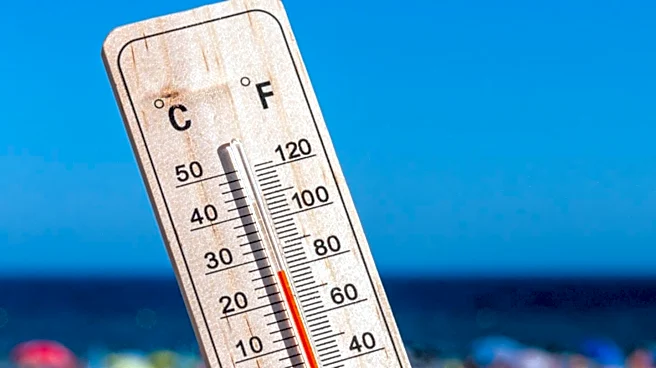
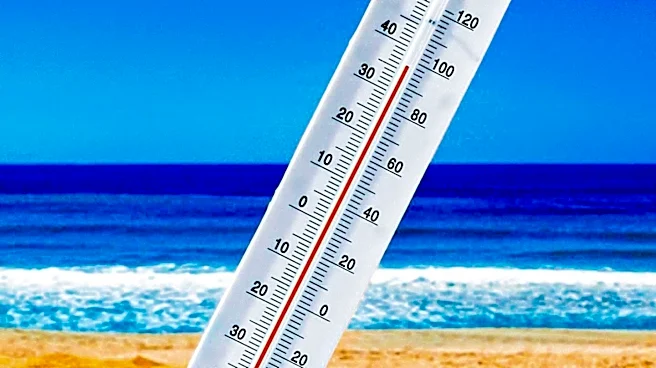
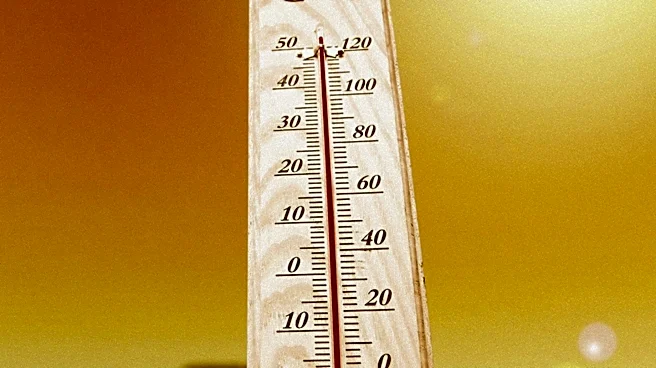
New Jersey's Department of Health has reported an increase in the number of deaths associated with a recent heat wave, bringing the total to 29. The heat wave, which occurred in early July, saw temperatures soar above 100 degrees Fahrenheit, with heat index
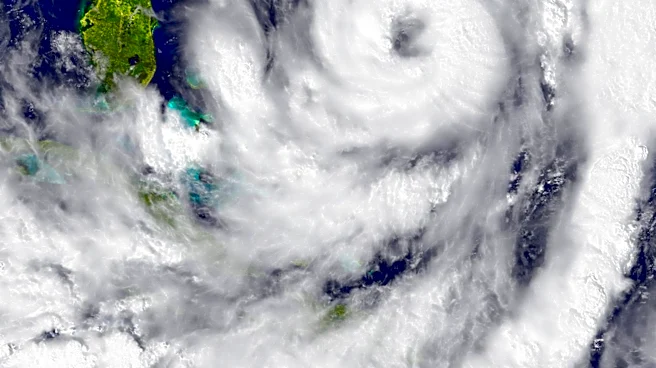
levels reaching around 110 in some areas. The fatalities were primarily concentrated in Central and North Jersey, affecting individuals ranging in age from their mid-30s to their 80s. Many of the deceased were found in homes lacking air conditioning, while others were discovered outside or in parked cars. The heat wave coincided with severe storms that caused power outages, although it is unclear if these outages contributed to the fatalities.
Why It's Important?
The increase in heat-related deaths underscores the significant public health risks posed by extreme weather conditions. This event highlights the vulnerability of certain populations, particularly those without access to air conditioning or adequate shelter. The situation calls attention to the need for improved infrastructure and emergency preparedness to protect residents during extreme heat events. Additionally, the combination of heat and power outages presents a compounded risk, emphasizing the importance of reliable energy systems and community support networks. The rising death toll serves as a sobering reminder of the potential consequences of climate change and the urgent need for adaptive measures.
What's Next?
In response to the heat wave, New Jersey health officials may consider implementing more robust public health strategies to mitigate the impact of future extreme weather events. This could include expanding access to cooling centers, enhancing public awareness campaigns about heat safety, and improving emergency response protocols. Policymakers might also explore infrastructure improvements to ensure reliable power supply during severe weather. The state may collaborate with local governments and community organizations to develop comprehensive plans that address the needs of vulnerable populations during heat waves.